
Language
Views: 251 Author: 7DaysVape Publish Time: 2026-08-10 Origin: Site


Content Menu
● Why "Cheap" Is Not Always Value
● What Matters Most in a Device
>> 1. Battery and charging safety
>> 2. Build quality and practical design
>> 3. Consumables and compatibility
● Common Online Shopping Traps
>> The "unrealistic puff count" trap
>> The "certification badge" trap
>> The "too-cheap bundle" trap
>> The "no local-law check" trap
● Hidden Tip: Check the "Support Test" Before Checkout
● FAQ
>> Are vaping devices dishwasher-safe?
>> How can I extend the life of a rechargeable device?
>> Are disposable devices a better value than refillable devices?
>> How can I identify a counterfeit or misleading listing?
>> Can I buy vaping products online if I live in Australia?
China is a major manufacturing base for vaping hardware, which means shoppers can find a wide range of pod systems, refillable devices, batteries, coils, and accessories. But manufacturing origin alone does not tell you whether a device is authentic, electrically safe, compatible with your local rules, or backed by a seller who will respond if something goes wrong.
The sensible question is not "Which online store has the lowest price?" It is: Can this seller prove what the device is, where it came from, what safety documentation applies, and how it handles problems after delivery?
Statista estimated global e-cigarette-market revenue at US$27.2 billion in 2025, illustrating why consumers now face an overwhelming volume of brands, listings, and lookalike products.
This is a transparent assessment framework—not a claim that every device or store has been independently lab-tested. Before recommending or purchasing any vaping device, use the following checks.
| Assessment area | What to look for | Why it matters |
|---|---|---|
| Product traceability | Exact model name, batch or serial details, manufacturer identity, clear specifications | Helps distinguish a real listing from a generic or copied product |
| Battery documentation | Model-specific battery information and credible evidence of relevant testing | Battery, charging, and heating failures can create serious fire and injury risks |
| Listing accuracy | Capacity, charging type, resistance range, refill method, and included items clearly stated | Vague listings are often where misleading "puff count" and capacity claims appear |
| After-sales policy | Written warranty period, dead-on-arrival process, return window, response channel | A low upfront price loses value if the seller disappears after delivery |
| Age and legal controls | Adult-age verification and country-specific shipping/legal guidance | Responsible sellers do not treat regulated products like ordinary gadgets |
| Independent reputation | Reviews with product-specific detail, not only generic five-star comments | Useful for spotting repeat issues such as leaking, delayed delivery, or non-response |
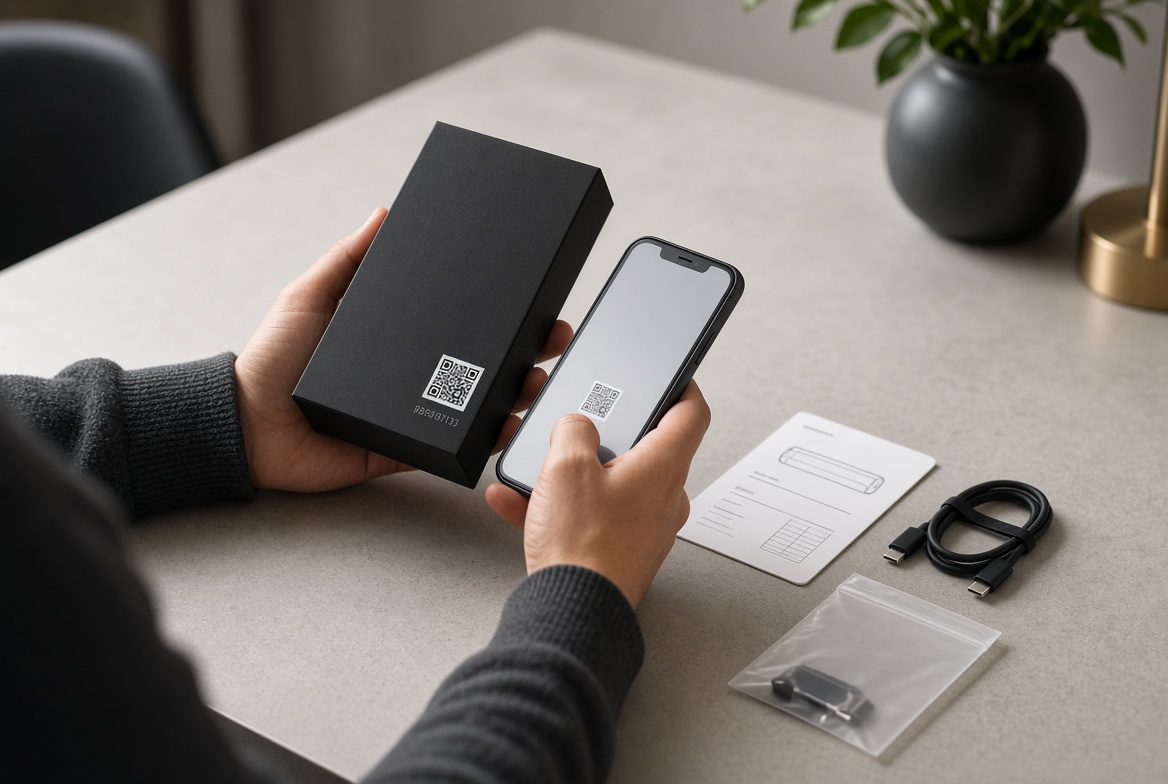
For rechargeable devices, battery safety should come before screen size, colours, or claimed puff counts. UL Solutions' UL 8139 standard evaluates the electrical, heating, battery, and charging systems of e-cigarettes and vaping devices, including foreseeable misuse, mechanical stress, accidental activation, and environmental resilience.
Ask a seller whether its documentation relates to the exact model you are considering—not merely another product in the same family. A certification logo on a product image is not, by itself, proof that the device configuration you receive was tested.
For everyday users, the most useful design features are usually simple:
- A secure mouthpiece and pod connection that does not wobble.
- Clear charge-status indicators.
- USB-C charging with a cable and charging guidance that match the listing.
- Sensible airflow and leak-resistant pod construction.
- Instructions written clearly enough to explain first use, charging, storage, and disposal.
- A design that does not activate easily in a pocket or bag.
A device can look premium yet still be inconvenient if it leaks, has an unclear battery indicator, or requires proprietary accessories that are difficult to source.
A good-looking device is a poor long-term choice if replacement pods, coils, or compatible consumables are unavailable in your lawful local market. Before buying hardware, check the ongoing cost and availability of the consumable system—not just the price of the starter device.
For refillable products, verify compatible resistance ranges and recommended liquid characteristics from the manufacturer's instructions. Never use damaged pods, improvised chargers, or parts that were not designed to work together.
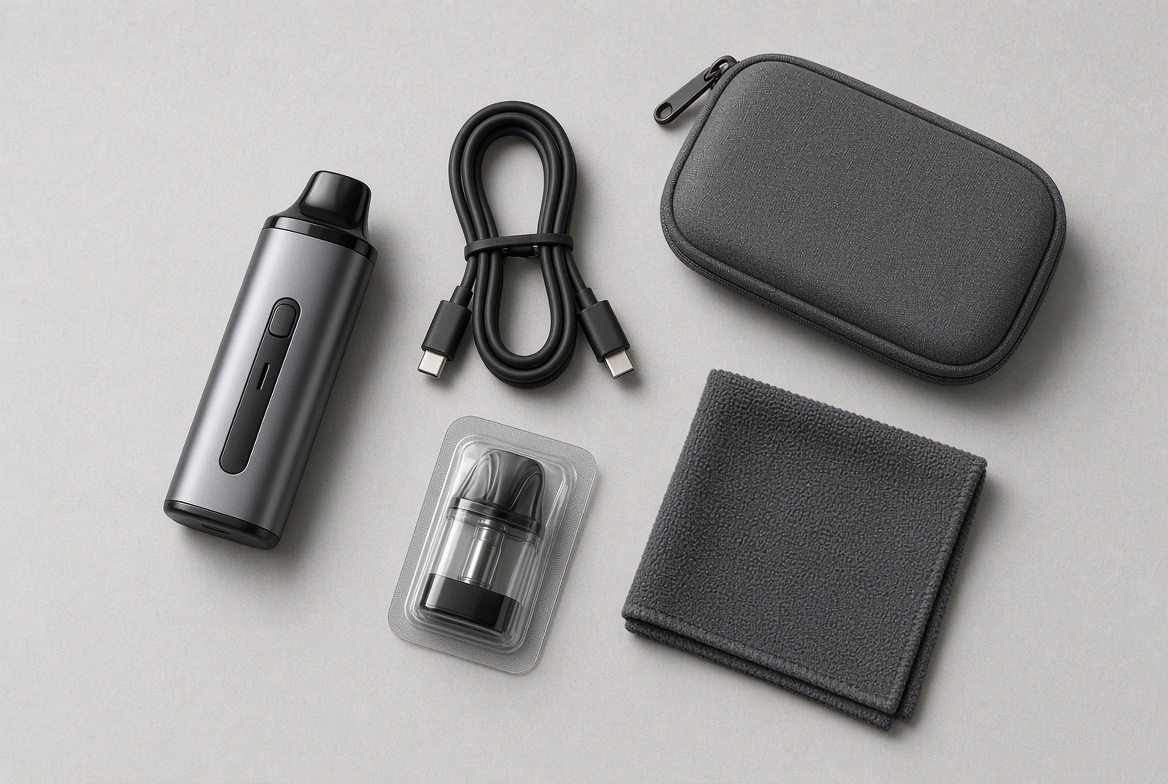
Puff counts are estimates, not a universal measurement standard. They vary with draw length, airflow, power output, temperature, and battery management. Treat unusually high claims paired with very small battery or liquid-capacity figures as a prompt to ask for specifications—not as a reason to purchase immediately.
A CE, RoHS, UL, or other logo placed on a listing image is not enough. Ask for the certification holder, tested model number, report or certificate reference, and whether the certification covers the complete device rather than only a battery cell or similar product.
Extremely low pricing can signal old inventory, counterfeits, incomplete accessories, grey-market stock, or no meaningful warranty support. Compare the total delivered cost, including taxes, shipping, applicable duties, and the ability to return a faulty product.
A seller's willingness to ship does not mean a product may legally be imported, advertised, possessed, or supplied where you live. Australia is a clear example: non-pharmacy retailers cannot supply vaping goods, and disposable vapes cannot be purchased through a pharmacy.
If evaluating 7DaysVape or any China-based vape retailer, use the same evidence-based checklist above. Its public "About Us" page presents a quality-focused brand story associated with Alibarbar and highlights premium materials, quality control, innovation, global reach, and community; these statements should be treated as the brand's own positioning rather than independent proof of product safety or customer-service performance.
Before featuring 7DaysVape in any consumer-facing comparison, request and verify:
- Exact model-level specifications and compatibility information.
- The written warranty, return, and dead-on-arrival policy.
- Customer-service channels and typical response commitments.
- Authenticity or batch-verification procedures.
- Applicable battery, transport, and product-compliance records.
- A country-by-country legal and shipping policy.
Here is a simple test that many buyers skip: contact support before placing an order. Ask one specific question that requires a real answer, such as:
> "What is the exact battery capacity, charging input, warranty period, and return process for model [name] if it arrives faulty?"
A trustworthy seller should answer with model-specific information and link to a written policy. Generic replies such as "high quality," "original," or "no worries" are not enough when the product contains a rechargeable battery and regulated consumables.
Before purchase, confirm all of the following:
- You are of legal age and local law permits the intended transaction.
- The seller identifies the exact product model and manufacturer.
- The listing includes realistic specifications, not only promotional phrases.
- The seller has a written warranty and returns process.
- You understand the total cost, local taxes, and delivery limitations.
- You can obtain compatible replacement parts lawfully.
- You have reviewed battery safety and charging instructions.
- The product has not been marketed with unsupported health, cessation, or safety claims.
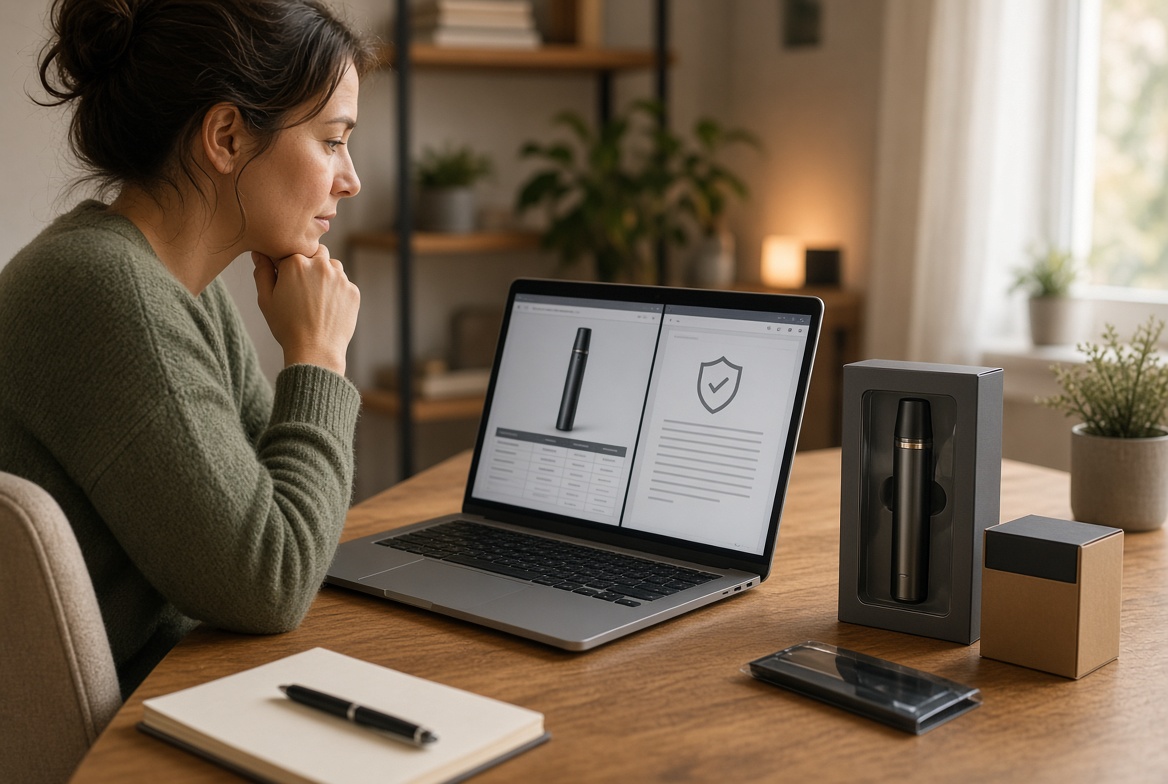
The best online choice is not the flashiest listing or lowest advertised price. For adult consumers in jurisdictions where vaping products are lawful, prioritise verified seller identity, clear device specifications, model-specific safety evidence, transparent support policies, and compliance with local rules.
No. Electronic devices, batteries, pods, coils, and charging components should never be put in a dishwasher or submerged in water. Follow the manufacturer's cleaning instructions and use a dry cloth for exterior cleaning.
Use the supplied or recommended charging method, avoid extreme heat, do not leave charging devices unattended, and stop using the device if it becomes unusually hot, swollen, damaged, or behaves erratically. UL notes that poor design, incompatible battery-management systems, misuse, or environmental exposure can contribute to severe battery failures.
Not automatically. Compare total legal availability, replacement costs, battery waste, and whether a product is permitted in your area. In Australia, single-use disposable vapes cannot be purchased through pharmacies.
Look for missing manufacturer details, inconsistent model names, implausible specifications, copied images, absent warranty terms, and refusal to provide model-specific documentation. Check whether the seller can explain batch, serial, or authenticity verification.
Do not assume an overseas online listing is lawful. Australian law limits supply to participating pharmacies for smoking cessation or nicotine-dependence management, subject to pharmacist consultation and state or territory restrictions; non-pharmacy retailers cannot supply vaping goods.
- [Australian Government: About vaping and e-cigarettes]
- [TGA: Information for retailers]
- [UL Solutions: E-cig and vape battery and electrical certification]
This website contains products intended for adults only.
Are you 18 years of age or older?
WARNING: This product contains nicotine. Nicotine is an addictive chemical.


