
Language
Views: 231 Author: 7DaysVape Publish Time: 2026-07-21 Origin: Site


Content Menu
● Dab Pen vs Cart Battery: What They Are
● Ease of Use for Everyday Vapers
>> Getting Started and Daily Handling
>> Practical Ease‑of‑Use Checklist
● Performance, Flavor and Potency
● Cost, Value and Long‑Term Ownership
>> Long‑Term Value Considerations
● Battery Technology and Safety
● Maintenance, Cleaning and Longevity
● Matching Devices to Different User Types
>> User Profiles and Device Fit
● Emerging Trends in Hardware Design
>> Environmental and Design Considerations
● Choosing Between Dab Pen and Cart Battery
● FAQs
Dab pens and cart batteries both deliver portable concentrate vaping, but they serve different habits, budgets, and flavor expectations for everyday users worldwide, especially in markets where convenience and reliability matter most. Understanding how each device works in real life makes it easier to choose hardware that matches your style rather than forcing your routine to fit the device.
A dab pen is a compact, handheld device built to vaporize raw concentrates such as wax, rosin, shatter, or crumble loaded directly into an internal chamber. Users place the material on or near a coil or atomizer, which heats it to produce vapor.
A cart battery is a power source designed to pair with pre‑filled cartridges containing distillate or oil. The battery supplies electrical energy to the cartridge's built‑in heating element, so you can inhale vapor without ever handling raw concentrates.
In practice, dab pens feel like a more hands‑on experience that invites you to experiment with different textures and heating profiles. Cart batteries, on the other hand, focus on consistency and ease, with the cartridge doing most of the technical work behind the scenes.

| Aspect | Dab Pen | Cart Battery |
|---|---|---|
| Material used | Raw wax, rosin, crumble, shatter | Pre‑filled distillate or oil cartridges |
| Setup | Manual loading into chamber | Screw‑on cartridge, ready to use |
| Flavor profile | Often richer and more nuanced | Standardized, consistent flavor |
| Potency feel | Strong, fast‑acting hits | Smoother, more controlled experience |
| Maintenance | Regular cleaning and coil care | Light cleaning, replace cartridges |
| Ongoing cost | Concentrates can be economical | Recurring cartridge purchase |
| Discretion | Denser vapor and stronger aroma | Compact, low‑profile form factor |
This simple overview already hints at the core choice: more control and intensity with dab pens versus more convenience and predictability with cart batteries.
From a usability perspective, cart batteries are generally simpler to live with. You attach a cartridge, press a button or inhale on a draw‑activated mouthpiece, and the device handles the rest. There is no need to learn how to load concentrates, manage sticky tools, or judge when a coil is under‑ or overfilled.
Dab pens ask for a bit more participation. You need to:
- Place the right amount of concentrate in the chamber.
- Avoid packing material directly on hot coils.
- Learn which temperature or power setting gives smooth vapor.
- Recognize when buildup starts to affect flavor and performance.
For some users, this extra involvement becomes part of the enjoyment. The process feels closer to crafting each session and fine‑tuning the experience rather than simply pressing a button.
- Starting out: Cart batteries are typically more intuitive.
- Fine‑tuning: Dab pens allow more control over heat and material.
- Cleaning demands: Cart batteries require only light, occasional cleaning.
- Learning curve: Dab pens reward users who invest a little time and attention.
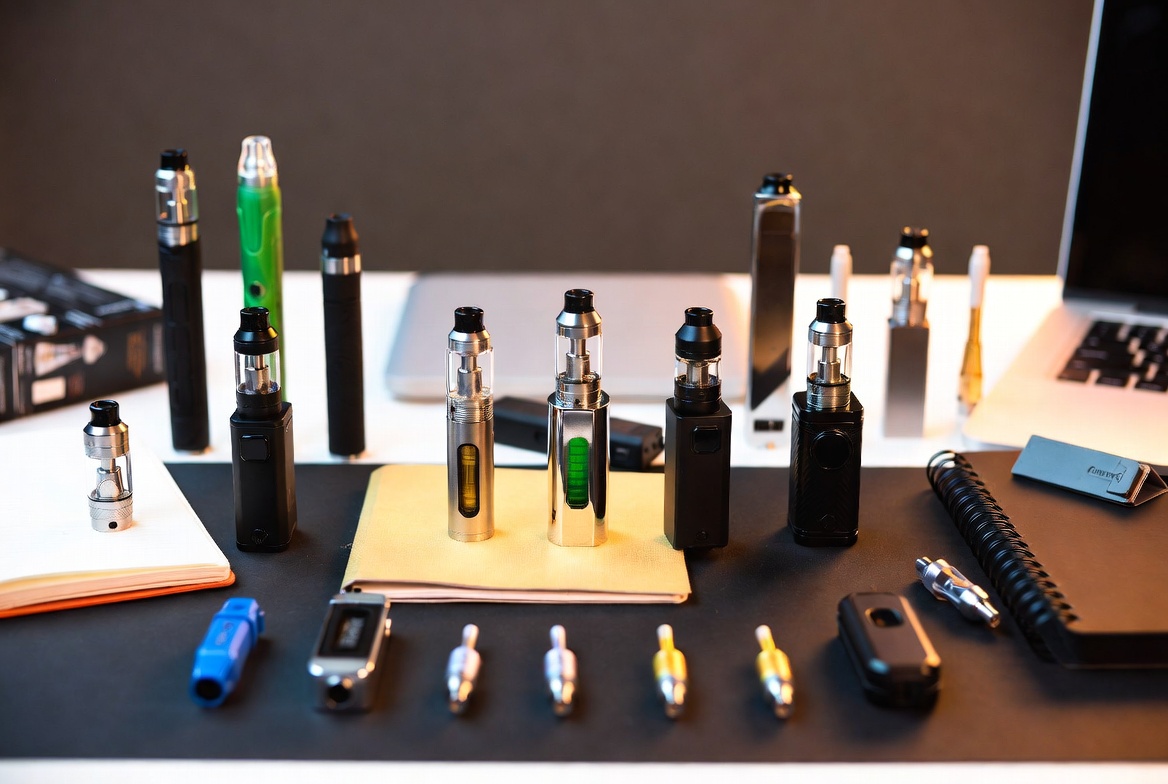
Many enthusiasts gravitate toward dab pens for flavor depth. Because they can vaporize high‑quality concentrates directly, they often preserve a broader terpene profile and deliver a more layered taste.
Cart batteries tend to focus on a consistent, predictable flavor. Pre‑filled cartridges rely on carefully formulated distillate or blends, which means each puff is designed to feel familiar and reliable. That standardization creates confidence for users who want the same experience every time.
Dab pens frequently feel more intense. Concentrates loaded into the chamber can contain high levels of active compounds, and direct contact with the heating element can produce dense, robust vapor. For users who prefer shorter, stronger sessions, this can be very attractive.
Cart batteries usually produce smoother, more measured hits. The internal design of cartridges and their recommended voltage ranges aim to reduce harshness and deliver a steady, comfortable inhale that is easier to repeat many times a day.
A dab pen may require a slightly higher initial investment in quality hardware. In addition to the device, you may purchase extra coils or atomizers and tools for handling concentrates. However, concentrates themselves can be cost‑effective over time, especially for users who buy in larger quantities and vape regularly.
A cart battery can be relatively affordable at the beginning. The real cost appears over time as you keep purchasing new cartridges. Users who enjoy rotating flavors or strains tend to replace cartridges more often, which increases recurring expenses.
- Frequency of use
Heavy users who vape concentrates daily may find dab pens more efficient once they master loading and cleaning.
- Preference for variety
Cart battery users often pay more to try multiple flavors in quick succession but gain maximum convenience.
- Hardware lifespan
Proper storage, careful charging, and avoiding falls or impact extend the life of both dab pens and cart batteries.
- Waste and materials
Refilled dab pen chambers produce less packaging waste, while spent cartridges add more components to disposal streams.
For commuters, travelers, and people who vape during short breaks, portability and discretion are critical. Many cart batteries are designed to be slim, lightweight and pocket‑friendly, with cartridges that sit flush or slightly recessed to avoid snagging.
Dab pens are also compact, but they can produce denser vapor clouds and carry a more noticeable aroma, particularly when using potent concentrates. They may require you to bring a small container of material and a loading tool, which adds complexity when you are away from home.
- Choose pen‑style devices if you value minimalism in pockets or bags.
- Use protective cases or caps to prevent accidental activation and keep mouthpieces clean.
- Avoid exposing either device to extreme heat or cold, which can affect both the battery and the contents.
Behind both formats lies similar battery technology. Most dab pens and cart batteries rely on lithium‑ion cells combined with built‑in protection circuits. These protections are designed to limit risks such as short circuits, over‑charging, and overheating.
Good user habits remain important:
- Use compatible chargers and follow manufacturer guidance.
- Avoid using devices with damaged casings or dented cells.
- Keep contact points clean to ensure stable connectivity and reduce the chance of hotspots.
- Store batteries away from direct sunlight and high‑temperature environments.
Users who treat their devices as everyday tools tend to benefit from a simple routine:
- Inspect hardware briefly before each use.
- Charge devices on stable surfaces, away from flammable materials.
- Unplug chargers once the device reaches full charge.
- Retire older hardware if performance or structural integrity noticeably declines.
Dab pens need regular attention to keep performance high. Residue from concentrates builds up around coils, chambers, and mouthpieces:
- Light cleaning after several sessions prevents thick buildup.
- Periodic deeper cleaning of non‑electronic parts preserves flavor.
- Timely coil or atomizer replacement maintains vapor production and reduces the chance of burnt taste.
Users who enjoy caring for tools or gadgets often find this routine manageable and satisfying. It becomes part of the ritual around each session.
Cart batteries are lower maintenance. Daily care usually focuses on:
- Wiping threaded connections to remove oil or dust.
- Storing cartridges upright to minimize leaks.
- Keeping mouthpieces clean for hygiene and smooth airflow.
Because the cartridge contains both the heating element and the material, the battery itself does not encounter as much residue. This helps the device stay clean internally for longer periods.
Different devices naturally align with distinct user profiles:
- Curious newcomers
Often prefer cart batteries for simple, predictable operation and quick familiarity.
- Hands‑on enthusiasts
Tend to favor dab pens for greater control, experimentation with different concentrates, and variation in heat settings.
- Busy professionals
Commonly lean toward pre‑filled cartridges paired with reliable batteries to fit short, focused breaks in tight schedules.
- Cost‑aware daily users
May embrace dab pens once they see how concentrates and coil care can support strong performance without constant cartridge purchases.
Choosing the right device starts with honest questions:
- How much time do you want to spend learning and maintaining hardware?
- Do you value ritual and customization, or do you prefer quick, repeatable sessions?
- Are you more concerned about long‑term cost or upfront simplicity?
Your answers shape whether a dab pen's flexibility or a cart battery's simplicity feels more rewarding over months and years of use.
Recent hardware development is reshaping both dab pens and cart batteries:
- Smart indicators such as LED rings or small screens show battery level and performance modes.
- Improved coils and wicking materials are designed to maintain flavor stability and reduce dry hits.
- Higher capacity systems offer more puffs per charge, making all‑day use more realistic even for heavier users.
These improvements make dab pens more precise and cart batteries more reliable. As devices evolve, users can expect clearer feedback, more consistent output, and refined overall handling.
Manufacturers increasingly explore:
- Modular parts that can be replaced instead of discarding the entire device.
- Recyclable packaging and components to ease the impact of frequent product turnover.
- Compact form factors that stay comfortable and discreet without sacrificing stability.
All of these changes influence how dab pens and cart batteries fit into everyday routines and personal values.
When deciding between the two, consider four main dimensions:
1. Experience level
Beginners generally feel more comfortable starting with a cart battery. Those with more experience or curiosity about concentrates can gain a lot from dab pens.
2. Routine and setting
If you mostly vape on the move or during short breaks, a small cart battery may feel more natural. If you enjoy longer, intentional sessions, a dab pen's flexibility can stand out.
3. Budget and consumption
Regular concentrate users may find dab pens to be efficient over time. Users who prefer ready‑to‑use options might accept higher ongoing costs for the convenience of cartridges.
4. Maintenance tolerance
Minimal maintenance points toward cart batteries. Comfort with cleaning and part replacement makes dab pens more appealing.
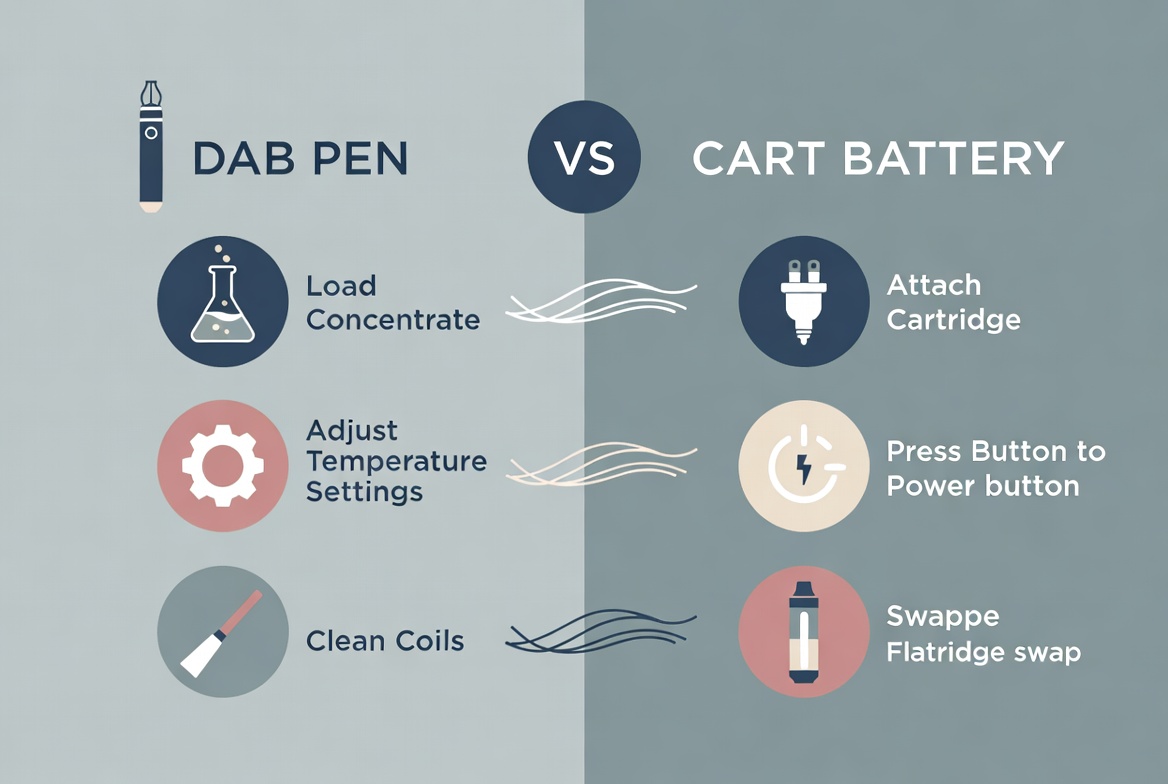
The choice between a dab pen and a cart battery is less about which device is "better" and more about which matches your habits, preferences and expectations. By weighing how much you value flavor, intensity, convenience, and long‑term value, you can select hardware that feels natural to use day after day.
Q1: Are dab pens harder to learn than cart batteries?
Yes, dab pens typically require learning how to load concentrates correctly and manage heat settings, while cart batteries mostly rely on attaching a cartridge and inhaling or pressing a single button.
Q2: Which option usually delivers stronger hits?
Dab pens often feel more intense because they vaporize high‑potency concentrates directly on the coil, resulting in robust, fast‑acting vapor when used at appropriate temperatures.
Q3: What makes cart batteries popular with everyday users?
Cart batteries combine portability, ease of use, and consistent performance; users can swap flavors quickly without dealing with raw concentrates or complex cleaning routines.
Q4: How often should I clean my dab pen?
Cleaning frequency depends on usage, but regular users typically benefit from wiping the chamber and mouthpiece after several sessions and replacing or deep‑cleaning coils once flavor or vapor production drops noticeably.
Q5: Do both device types rely on similar battery technology?
Yes, both usually use lithium‑ion cells with protective circuitry; users should follow the same safety guidelines, such as avoiding damaged batteries, using suitable chargers, and preventing exposure to extreme temperatures.
1. Vapebatt. "Dab Pen vs Cart Battery – The Pros, The Cons, and the Differences Between the Two."
2. MunchMakers Guides. "Dab Pen vs Cart: Which Is Better for Concentrates?"
[https://guides.munchmakers.com/guide/dab-pen-vs-cart/]
3. Vaping Hardware. "Vape Battery Guide – From Beginners to Advanced Vapers."
[https://vapinghardware.com/vape-battery-guide/]
4. Debut Vape. "Best Disposable Vapes 2026: Tech Trends, Market Boom & Top Picks."
[https://www.debutvape.com/news/best-disposable-vape-2026-trends-tech/]
5. Vaporesso. "Vaping 101: What Are the Best Batteries to Use?"
[https://www.vaporesso.com/blog/vaping-101-what-are-the-best-batteries-to-use]
6. Vapestreams. "The Ultimate Guide to Vape Batteries for Beginners and Experts."
[https://vapestreams.co.uk/the-ultimate-guide-to-vape-batteries/]
7. E‑Liquids.com. "Vape Batteries: A Beginner's Guide."
[https://e-liquids.com/pages/vape-batteries-guide]
8. Birch + Fog. "Best Vape Battery Guide: What to Know in 2026."
[https://birchandfog.biz/learn/vape-battery-a-beginners-guide/]
This website contains products intended for adults only.
Are you 18 years of age or older?
WARNING: This product contains nicotine. Nicotine is an addictive chemical.


