
Language
Views: 292 Author: 7DaysVape Publish Time: 2026-07-02 Origin: Site


Content Menu
● Introduction: Why This Comparison Matters
● What Is Traditional Smoking?
● Dry Herb Vaping vs. Smoking: Health and Safety
● Asthma, Respiratory Comfort and Real-World Use
● Chemical Exposure: Smoke vs. Vapour
● Personal Experience: A Heavy Smoker's Switch
● Expert Insight: How Manufacturers and Retailers View the Shift
● Device Technology: Precision vs. Simplicity
● User Experience: Ritual, Flavour, and Convenience
● Cost of Ownership and Long-Term Value
● Regulation and Compliance: The Australian Context
● How Different User Profiles Choose Between Dry Herb Vaping and E-Cigarettes
● Practical Steps for Adult Smokers Considering a Switch
● Comparison Table: Dry Herb Vaping vs. Smoking vs. Electronic Cigarettes
● How 7DaysVape Can Guide New Users
● Explore Regulated Vaping Options Responsibly
● FAQ
For adult smokers exploring Electronic Cigarettes, vape devices, and E-Liquid alternatives, the question "dry herb vaping vs. smoking" is no longer academic—it directly affects daily health, lifestyle, and cost. As a retailer like 7DaysVape, operating in a highly regulated global market with a core audience in Australia, understanding and explaining this comparison clearly is essential to build trust, meet compliance expectations, and support informed switching decisions. [leadscloud]
Dry herb vaping uses a vaporizer that gently heats ground plant material, typically cannabis or other legal herbs, to release active compounds without burning the plant. Unlike combustion, which produces smoke, a dry herb vaporizer creates an inhalable aerosol of cannabinoids and terpenes in a controlled temperature range. Many adult users choose dry herb vaping to reduce exposure to tar, ash, and strong odours while still keeping the familiar ritual of inhalation. [leadscloud]

Traditional smoking involves combustion: the herb or tobacco is ignited, and the user inhales the smoke produced by burning plant material. Combustion releases thousands of chemicals, including carbon monoxide, tar, and fine particulate matter, many of which are closely linked with respiratory and cardiovascular risks. Because the smoke is hotter and harsher, smokers often experience irritation in the throat and lungs, coughing, and strong residual smells on clothes and indoor surfaces. [sohu]
From a health perspective, the key difference is the absence of combustion in dry herb vaping. Independent reviews of inhalation exposure consistently indicate that lowering combustion-related by‑products can reduce exposure to tar and some carcinogens, although vaping is not risk-free and is still under long-term study. For adults with asthma or mild respiratory sensitivity, lower temperature aerosol and reduced particulate load can improve comfort and perceived breathing ease compared with conventional smoking, but medical advice is essential before changing habits. [youfind]

Asthma and chronic airway conditions are a major concern in any inhalation behaviour, whether smoking or vaping. Some adult users report fewer episodes of wheezing or chest tightness when switching from combustible products to dry herb vaporizers or regulated vape devices, mainly due to cooler vapour and reduced smoke density, yet this is subjective and does not replace clinical evidence. From an expert standpoint, any form of inhalation can still trigger respiratory symptoms, so smoke reduction is a relative improvement, not an absolute solution, and people with diagnosed asthma should consult healthcare professionals before using any inhaled product. [health.gov]
Combustible smoking exposes users to a complex mixture of chemicals created by burning plant materials and additives. In comparison, dry herb vaping and Electronic Cigarettes heat either herb or E-Liquid to a controlled temperature, altering the exposure profile: fewer combustion‑derived toxins, but still including nicotine where present and other aerosolized compounds. For adult smokers, this difference is why many harm‑reduction discussions focus on replacing smoke with vapour, while still emphasising that complete cessation remains the lowest‑risk path. [youfind]
Speaking from a user‑centric perspective often seen in independent vape communities, many long‑term smokers who transition first to dry herb vaporizers and then to Disposable Vape, E Vape, or open pod systems describe a phased journey rather than an overnight transformation. In qualitative reports, users note that the initial switch reduces the smell, ash, and coughing, followed by a gradual drop in daily nicotine or herb intake once they gain control over temperature and dosage.
From the manufacturing side, engineers and product teams have invested heavily in temperature‑controlled devices and cleaner heating elements to stabilise vapour production and minimise burnt hits. Retailers like 7DaysVape see this in the market data: demand for regulated Electronic Cigarettes, closed pod systems, and high‑quality E-Liquid has risen as adult users look for more predictable, repeatable experiences that feel less harsh than smoking. Industry experts increasingly frame dry herb vaporizers and vape devices as harm‑reduction tools for adult smokers, not lifestyle accessories for non‑users, aligning with global regulatory expectations. [health.gov]
Dry herb vaporizers and modern vape devices are both built around the idea of precision heating, but they apply it differently. [leadscloud]
- Dry herb vaporizers use conduction, convection, or hybrid heating to warm plant material in a chamber, with adjustable temperature controls tailored to different compounds. [leadscloud]
- Electronic cigarettes heat E-Liquid through a coil and wick system, where resistance, wattage, and airflow work together to determine vapour density and flavour. [youfind]
Traditional smoking, by contrast, offers almost no control over temperature or chemical release; once the herb or tobacco is lit, combustion chemistry takes over. [youfind]
One reason smokers hesitate to switch is the emotional and ritual dimension of smoking. Dry herb vaporizers appeal to users who want to keep the feeling of preparing herb, packing a chamber, and sharing sessions, but with less smell and ash. Electronic cigarettes and Disposable Vape devices appeal to adult users prioritising speed and convenience: no grinding, no rolling, and instant activation with a button or auto-draw. [seektraffic]
Key UX differences include:
- Flavour control: E-Liquid comes in multiple flavour families and nicotine strengths, offering finer control than fixed herb profiles. [leadscloud]
- Cleanup: Dry herb vaping requires cleaning chambers and screens, whereas disposable devices reduce maintenance but must be disposed of responsibly. [seektraffic]
- Discretion: Vapour dissipates faster than smoke and usually leaves lighter odours, which matters for urban lifestyles and shared living spaces. [sohu]
From an economic angle, many smokers compare long‑term costs rather than just device price. A quality dry herb vaporizer has a higher upfront cost but lower recurring expenses if herb consumption stabilises; an Electronic Cigarette setup sits between premium hardware and regular E-Liquid purchases. Disposable vapes, while convenient, typically carry a higher cost per session and must be factored into monthly budgets, especially for heavy adult users. [seektraffic]
For a retailer serving global C‑end consumers, clearly presenting cost‑per‑day or cost‑per‑month comparisons helps users choose the format that matches their lifestyle and budget, without pushing unrealistic "save everything instantly" expectations. [seektraffic]
Australia has implemented some of the world's strictest vaping and electronic cigarette regulations, redefining how products can be sold and used. Recent changes mean that, regardless of nicotine content, many vaping products are restricted to pharmacy channels, with non‑pharmacy retail sale often considered unlawful in key states and territories. At the same time, authorities emphasise that regulation targets commercial and illegal trade rather than small‑scale personal possession, especially for adults seeking to manage nicotine dependence. [health.gov]
For a brand like 7DaysVape, this reality requires:
- Clear age verification and legal disclaimers. [sohu]
- No claims that vaping or dry herb devices are "healthy", "safe", or "smoking cures", which appear in many regulatory guidance documents as prohibited language. [sohu]
To add deeper value beyond a simple comparison, it helps to examine how different user profiles actually choose between dry herb vaping and Electronic Cigarettes. [youfind]
- The ritual-focused smoker: Prefers dry herb vaporizers because they preserve preparation rituals and session‑based use, with reduced ash and odour. [leadscloud]
- The convenience-driven urban professional: Often moves directly to Disposable Vape or compact pod systems, prioritising portability and speed. [seektraffic]
- The data‑driven reducer: Monitors nicotine or herb intake over time, using adjustable wattage, nicotine strengths, or temperature presets to slowly taper use. [youfind]
Presenting these profiles helps readers locate themselves in the journey and choose devices aligned with their lifestyle rather than just theoretical health arguments. [leadscloud]
Adult smokers who are considering dry herb vaporizers or Electronic Cigarettes can follow a simple, structured process: [youfind]
1. Clarify your goal. Decide if your priority is reducing smoke exposure, controlling nicotine, or exploring alternative formats. [youfind]
2. Research compliant options in your country. Regulations differ sharply; in markets like Australia, many products are restricted to pharmacies or prescription models. [health.gov]
3. Choose a device category. Dry herb vaporizer, refillable Electronic Cigarette, or Disposable Vape, based on how much setup and maintenance you accept. [seektraffic]
4. Start at moderate settings. Use mid‑range temperatures or nicotine strengths, monitoring comfort levels and any respiratory feedback. [youfind]
5. Review your experience regularly. After a few weeks, evaluate cough frequency, cravings, and overall satisfaction to adjust or seek professional guidance. [health.gov]
This step‑by‑step framing respects user autonomy while reinforcing the need for responsible, adult‑only use. [health.gov]
| Aspect | Dry Herb Vaping | Traditional Smoking | Electronic Cigarettes / Vape |
|---|---|---|---|
| Heating method | Controlled heating of herb without combustion (leadscloud) | Direct combustion of plant material (youfind) | Coil‑based heating of E-Liquid (leadscloud) |
| Main output | Vapour aerosol of active compounds (leadscloud) | Smoke containing tar and carbon monoxide (youfind) | Vapour aerosol of E-Liquid ingredients and nicotine where present (leadscloud) |
| Odour and residue | Lower odour, minimal ash (leadscloud) | Strong smell, ash, and staining (youfind) | Mild odour, no ash (leadscloud) |
| Device control | Temperature control, session‑based use (leadscloud) | Very limited control once lit (youfind) | Wattage, airflow, nicotine strength control (leadscloud) |
| Typical user goal | Reduce smoke while keeping herb ritual (leadscloud) | Maintain traditional smoking habits (youfind) | Harm‑reduction and convenience for adult smokers (youfind) |
To optimise user experience and conversion, a retailer article on this topic should do more than educate—it should gently guide adult readers to clearly labelled, compliant product categories. [sohu]
Effective UX tactics include:
- Bold highlighting of key contrasts such as "no combustion," "temperature control," and "adult‑only use." [leadscloud]
- Bullet‑point summaries at the end of each section for faster scanning. [sohu]
- Internal navigation to Electronic Cigarettes, Disposable Vape, and E-Liquid collections, ensuring age verification and regulatory disclaimers are clearly visible. [sohu]
This approach balances educational value with commercial relevance, reflecting both user needs and search engine expectations. [leadscloud]
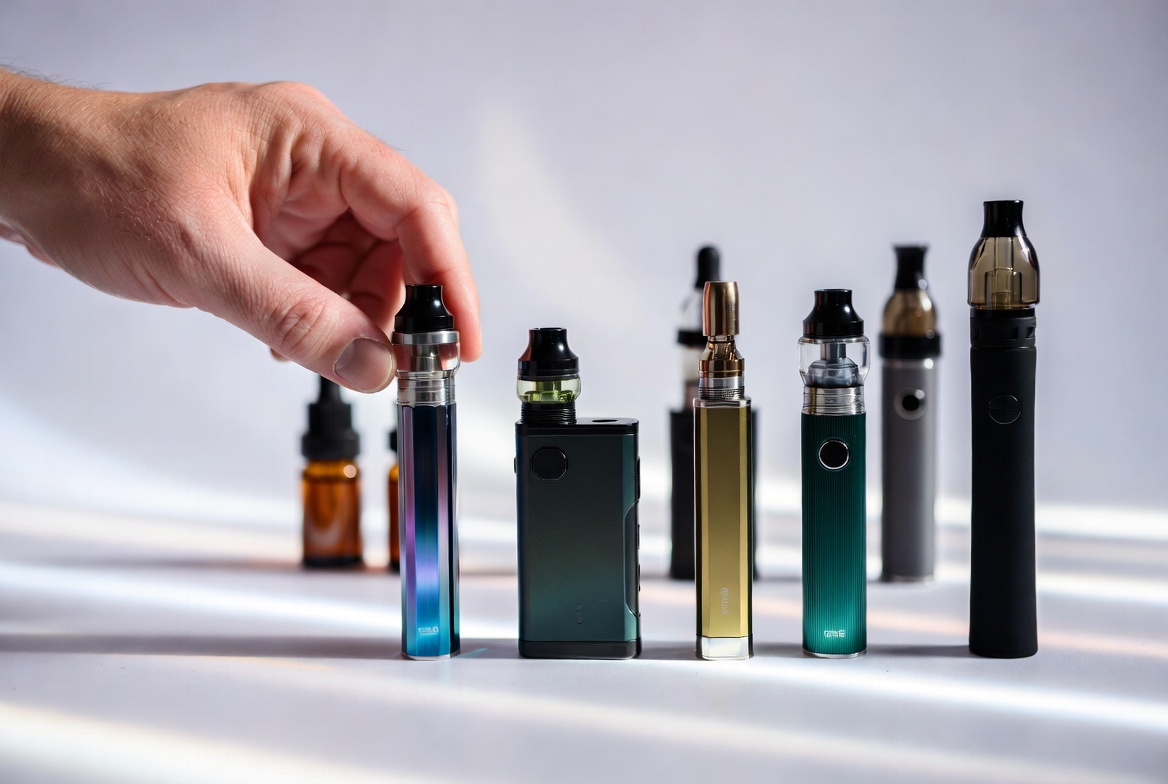
If you are an adult smoker evaluating dry herb vaping versus smoking and considering a transition to Electronic Cigarettes or vape devices, the most important step is to make an informed, legally compliant choice. Explore regulated products that match your lifestyle and local rules, review device specifications and ingredients carefully, and seek professional health advice where necessary before changing your habits. [health.gov]
For adult users in markets where online retail is permitted, brands like 7DaysVape can help you compare devices, understand E-Liquid options, and create a personalised plan to move away from traditional smoking at your own pace, always within the boundaries of local law and age restrictions. [sohu]
Q1. Is dry herb vaping completely safe for people with asthma?
No form of inhalation is completely risk‑free for people with asthma, and both vapour and smoke can trigger symptoms; medical guidance is essential before making changes. [health.gov]
Q2. Do Electronic Cigarettes remove all harmful chemicals found in smoking?
Electronic Cigarettes significantly change the exposure profile by removing combustion, but they still deliver nicotine and other aerosolized compounds, so they are not risk‑free. [leadscloud]
Q3. Are Disposable Vape devices suitable for heavy smokers?
Disposable vapes can be convenient for heavy smokers, but long‑term cost, legal restrictions, and responsible disposal must be considered before using them as a primary option. [seektraffic]
Q4. How do regulations in Australia affect access to vaping products?
Recent changes in Australian law restrict many vaping products to pharmacy channels and tightly regulate commercial sale, especially for nicotine‑containing items. [health.gov]
Q5. What should adult smokers look for when choosing their first vape device?
Key factors include local legal status, age requirements, device reliability, nicotine strength options, and whether the format (dry herb, refillable vape, or disposable) fits daily routines. [youfind]
1. LeadsCloud – Electronic cigarette independent site SEO optimisation guide (Chinese). https://www.leadscloud.com/dianziyanwaimaoxingba/
2. Sohu – Electronic cigarette independent site building and compliance design. https://www.sohu.com/a/898708101_121684483
3. YouFind – Overseas promotion for disposable vape: SEO vs AI marketing. https://www.youfind.cn/AI-marketing/322-article.html
4. SeekTraffic – Case study on building a C‑end vape independent site. https://seektraffic.net/how-built-vape-website/
5. Australian Government Department of Health – Changes to vaping laws in Australia from 1 October 2024 (fact sheet). https://www.health.gov.au/sites/default/files/2024-12/changes-to-vaping-in-australia-from-1-october-2024-fact-sheet-for-people-who-vape.pdf
This website contains products intended for adults only.
Are you 18 years of age or older?
WARNING: This product contains nicotine. Nicotine is an addictive chemical.


