
Language
Views: 229 Author: 7DaysVape Publish Time: 2026-08-02 Origin: Site


Content Menu
● Why Proper Vape Charging Matters More Than You Think
● Step-by-Step: How to Charge a Disposable or Rechargeable Vape
● How Long Does It Take to Charge a Vape?
● Integrated vs. Removable Battery Vapes: Key Differences
● Five Battery Safety Rules Every Vaper Should Follow
● Why "Fast Chargers" Actually Hurt Small Vape Batteries
● The "80% Rule" for Long-Term Battery Health
● Troubleshooting: When Your Vape Won't Charge
● Choosing Quality Devices Reduces Charging Problems From the Start
Charging a vape correctly is the single biggest factor separating a device that lasts for months from one that dies within weeks — or worse, overheats. Whether you're using a disposable vape, an e-liquid pod system, or a rechargeable electronic cigarette, understanding proper charging technique protects both your investment and your safety.

Most vape batteries are lithium-ion or lithium-polymer cells, the same chemistry used in smartphones and laptops. These batteries are efficient and compact, but they are also sensitive to heat, overcharging, and incorrect voltage. Mishandling a charge cycle doesn't just shorten battery life — it can create real fire and injury risks.
At 7DaysVape, we hear from customers across Australia and beyond asking the same core question: "Why does my disposable vape charge so slowly, or not at all?" The answer almost always traces back to charger mismatch, cable quality, or charging habits — all of which are fixable once you understand the mechanics.
Follow this sequence for any USB-C or micro-USB vape device:
1. Locate the charging port. Most modern disposable vapes and e-liquid pod kits use USB-C; older models may use micro-USB.
2. Use the original or a low-output cable. A cable rated at 1 amp or less is ideal for small vape batteries.
3. Connect to a low-capacity power source. A laptop USB port or a standard wall adapter works better than a fast-charging phone brick, which can push too much current into a small cell.
4. Charge on a flat, stable, heat-safe surface. Avoid beds, sofas, or car interiors.
5. Monitor the indicator light. A flashing or pulsing LED usually signals active charging; a solid or off light typically means it's full.
6. Unplug promptly once charged. Leaving a full battery connected adds unnecessary heat stress.
Charging time depends heavily on battery capacity (measured in mAh). Below is a general benchmark based on common device sizes.
| Battery Capacity | Typical Charge Time | Common Device Type |
|---|---|---|
| 300–500 mAh | 30–60 minutes | Small disposable vapes |
| 500–650 mAh | 60–90 minutes | Mid-size disposables, pod kits |
| 650 mAh+ | 90 minutes–2 hours | Larger rechargeable e-liquid devices |
Important: these are estimates. Ambient temperature, cable quality, and battery age can extend charge time significantly.
Not all electronic cigarettes charge the same way, and knowing which type you own changes the correct procedure entirely.
- Integrated battery devices (most disposables and compact vape pens): plug directly into a USB cable; the battery cannot be removed.
- Removable battery devices (box mods, some advanced kits): the battery is taken out and charged in a dedicated external bay charger, which generally provides more even, controlled charging than in-device USB charging.
For removable batteries specifically, an external charger is strongly recommended over in-device charging, since it isolates the cell from the device's circuitry and reduces the chance of overheating.
Industry battery-safety guidance consistently points to a short list of habits that dramatically reduce risk:
- Never charge overnight or unattended. Set a timer instead of leaving the device plugged in while you sleep or leave the house.
- Avoid full discharge cycles. Letting a lithium-ion battery drop to 0% repeatedly accelerates capacity loss.
- Inspect battery wraps and casings regularly. Any nick, tear, or exposed metal is a signal to stop use immediately.
- Keep batteries away from extreme heat. Cars, direct sunlight, and pockets with metal objects (keys, coins) all pose risks.
- Turn devices off when not in use, where possible, to reduce parasitic drain and heat buildup.
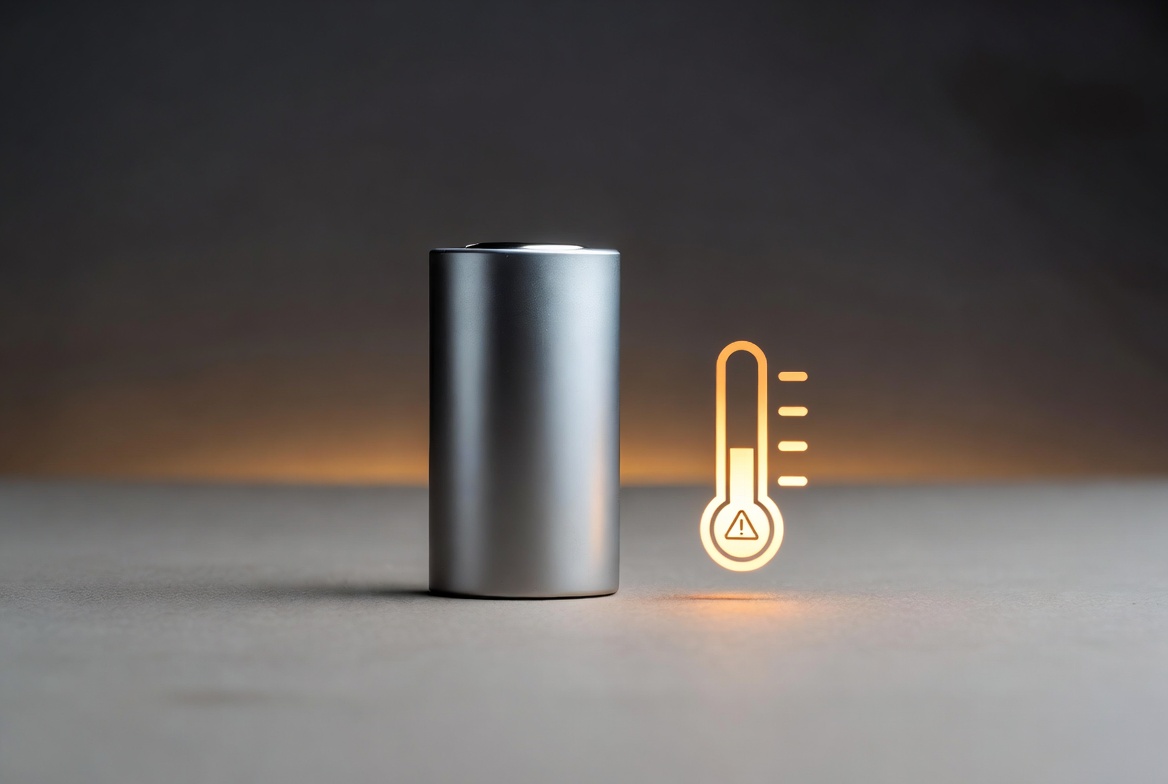
This is a detail many guides skip, and it matters for anyone using modern USB-C disposables. Phone fast-chargers are engineered to negotiate higher wattage with compatible smartphone batteries. Small vape cells (often under 650 mAh) are not designed for that negotiation protocol, so a fast charger can force excess current into the cell, generating heat and stressing the internal circuitry. The safer approach is a standard 5V/1A output — the same you'd find on a basic laptop USB port — rather than a 20W+ phone charger. If you're replacing a lost cable, buy a data-and-charge USB-C cable rated for low-power devices rather than the fastest one you can find.
Battery engineers widely recognize that lithium-ion cells degrade fastest at the extremes — fully drained or held at 100% for extended periods. For rechargeable vape kits used daily (rather than single-use disposables), unplugging at roughly 80–90% charge and recharging before the battery drops below 20% can meaningfully extend the usable lifespan of the cell over months of regular use. This mirrors smartphone battery-health guidance and is increasingly recommended by battery-safety educators for any USB-rechargeable personal device.
If the indicator light doesn't activate after plugging in:
- Check the cable first. A worn or damaged USB cable is the most common cause of failed charging.
- Clean the charging port. Dust or e-liquid residue can block the connection; wipe gently with a dry cloth.
- Try a different power source. Some wall adapters or USB ports don't supply enough current.
- Check the battery's age. If a device that once charged reliably now takes far longer or won't hold charge, the cell has likely degraded and the device should be replaced or recycled responsibly.
A large share of charging complaints trace back to low-quality batteries or poorly manufactured charging ports rather than user error. Buying electronic cigarettes, disposable vapes, and e-liquid devices from reputable, quality-controlled retailers significantly lowers the risk of battery defects, inconsistent charge times, and safety hazards. At 7DaysVape, every device we list is sourced with battery safety and build quality as a baseline requirement — not an afterthought — because a good vaping experience starts with a battery you can trust.
Ready to upgrade to a device that charges reliably and lasts longer between top-ups? Browse 7DaysVape's range of quality-tested disposable vapes and e-liquid kits today and experience the difference that proper battery engineering makes.
1. Can I charge my disposable vape overnight?
It's not recommended. Overnight charging leaves the battery unattended and at full charge for hours longer than necessary, increasing heat exposure risk.
2. What charger should I use for my vape?
Use the cable that came with your device, or a low-output USB cable (1 amp or less) connected to a computer or standard wall adapter — avoid smartphone fast chargers.
3. How do I know when my vape is fully charged?
Most devices signal full charge with a steady or off indicator light after a period of flashing during charging; check your specific model's manual for exact signals.
4. Why does my vape take longer to charge than before?
This usually indicates natural battery aging, a worn cable, or a dirty charging port. If charge time increases significantly, consider replacing the battery or the device.
5. Is it safe to charge a vape with a removable battery in the device itself?
It's possible on many devices, but using a dedicated external bay charger is safer and provides more consistent charging for removable batteries.
6. How long does a typical vape battery last before charging is needed?
This depends on usage and mAh rating, but most disposable vapes and pod kits need charging every 1–3 days with regular use, based on typical 300–650 mAh capacities.
1. Charging disposable vape discussion, Reddit, 2025 — https://www.reddit.com/r/vaping
2. "How to Charge a Vape: Knowing When It's Time to Recharge," 2025 — https://www.vaporfi.com/blog/a-guide-on-how-to-charge-a-vape/
3. "Recharging a disposable vape (please don't try)," Reddit, 2023 — https://www.reddit.com/r/electronic_cigarette
4. "Basic Battery Safety Tips to Keep You Protected," 2025 — https://www.vapingpost.com
5. "Charging your vape kit: do's and don'ts," 2025 — https://www.vapeclub.co.uk/blog
6. "How to Recharge a Disposable Vape: 3 Easy Steps," Hometown Hero, 2024 — https://hometownhero.com/blogs/news
7. "7 Golden Rules of Vape Battery Safety," 2025 — https://www.imr-batteries.com/blog
8. "How to Charge Your Vape: A Step-by-Step Guide," 2023 — https://www.vaporesso.com/blog
This website contains products intended for adults only.
Are you 18 years of age or older?
WARNING: This product contains nicotine. Nicotine is an addictive chemical.


