
Language
Views: 259 Author: 7DaysVape Publish Time: 2026-07-19 Origin: Site


Content Menu
● What Is a 510 Thread Battery?
● Main Types of 510 Thread Batteries
>> Compact Box‑Style Batteries
>> Variable‑Voltage and Screen‑Equipped Batteries
>> Dual‑Cartridge and Specialty Batteries
● Essential Technical Features to Consider
>> Battery Capacity (mAh) and Runtime
>> Charging Port and Charging Experience
>> Connection Quality and Safety Features
● Design, Comfort, and Emerging Trends
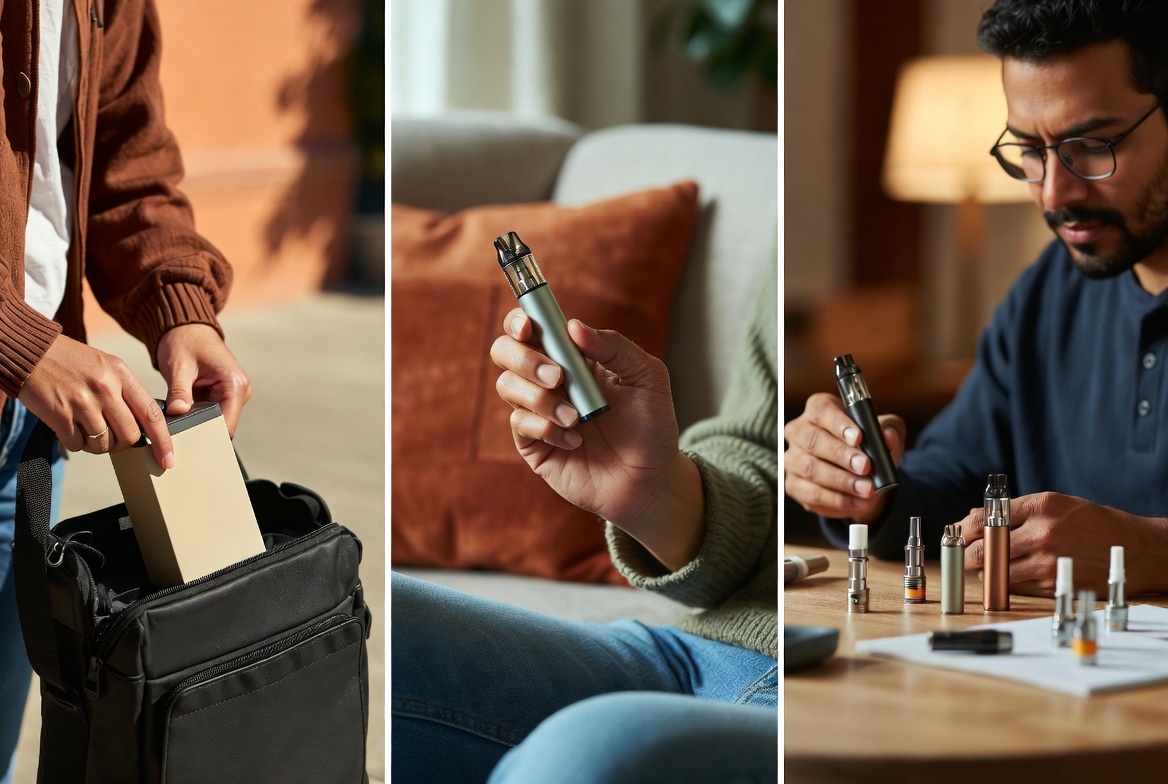
>> Discretion and Everyday Carry
>> Smart Features and Refined Control
>> Durability and Longer‑Term Use
● Matching Battery Types to Your Vaping Habits
>> Typical User Profiles and Suitable Batteries
● Insights from Long‑Term Use and User Feedback
● Practical Best Practices for Using 510 Thread Batteries
>> Start Low and Adjust Gradually
>> Maintain a Comfortable Charging Rhythm
>> Check Connections and Threads Regularly
>> Store and Carry Thoughtfully
● FAQs
You'll get the most from a 510 thread battery when it's matched to your habits, your preferred oils, and where you vape, rather than just picking the device with the highest numbers on the spec sheet. This guide takes a practical, experience‑driven look at different battery types, core technical features, and day‑to‑day user considerations so you can choose a setup that feels natural and reliable in real life, not just in theory.
A 510 thread battery is a compact power unit designed to connect to most prefilled and refillable vape cartridges via a standardized screw connector known as the "510 thread." Because this thread format has become the common standard across the industry, a single battery can typically support a wide range of cartridges, from simple distillate carts to more complex formulations.
In everyday use, the battery's job is threefold: it provides power to the coil, shapes flavour and vapour through its voltage output, and determines how long you can vape between charges. When any of these elements are out of balance—too much heat, not enough power, or insufficient capacity—the result is burnt taste, weak clouds, or a device that runs flat at inconvenient times.
Different 510 batteries are built around particular use cases. Understanding these categories helps you filter options quickly and focus on devices that genuinely fit your routine.
Pen‑style batteries are slim, cylindrical devices that resemble a traditional pen. They are usually paired with equally slim cartridges and are popular among users who want something lightweight, discreet, and straightforward.
Most pen‑style batteries feature:
- Simple controls, often a single multi‑function button or auto‑draw activation
- Moderate battery capacities suitable for light to moderate daily use
- A focus on portability and minimal pocket space
The main trade‑off is that many pen batteries offer fixed voltage or only a small number of preset levels. This makes them easy to operate but gives you less fine control over flavour and vapour. For someone who vapes occasionally or prioritizes compact size over customization, a well‑made pen‑style battery remains a very practical choice.
Compact box‑style batteries are small rectangular or square devices that enclose and protect the cartridge inside the body. Instead of leaving the glass cart exposed, these batteries use an internal chamber and, often, a magnetic adapter to hold the cartridge in place.
Key advantages of box‑style batteries include:
- Better protection for fragile glass cartridges during daily carry
- Adjustable chambers that fit a variety of cartridge diameters and lengths
- Enhanced features such as variable voltage, preheat modes, and clearer status indicators
For regular users who carry a device in a bag or pocket every day, the added durability and stability of a box battery can make a noticeable difference. These units strike a solid balance between portability, control, and reliability without requiring a full‑size mod.
Variable‑voltage batteries let you fine‑tune power output, usually in a range that sits roughly between low‑2‑volt and low‑4‑volt levels. Control may be handled by:
- Buttons that step voltage up or down
- A dial or twist ring that adjusts power
- A digital interface with an on‑screen voltage readout
Some models include a screen that displays voltage, battery level, puff count, and preheat status. These indicators give immediate feedback on how the device is behaving and make it easier to repeat a "sweet spot" setting once you've found it.
This category is particularly valuable if you rotate between different cartridge types. Thin oils, live resin, and thicker concentrates often perform best at different power levels, and variable voltage allows you to dial in the right balance of flavour and vapour for each.
A newer segment of the market supports two cartridges at once or introduces specialty features tailored to specific lifestyles. Dual‑cartridge batteries allow you to:
- Run two flavours side by side
- Carry two different oil types in one device
- Increase overall capacity without swapping carts
Specialty designs place emphasis on discretion, aesthetics, or unique form factors. Examples include key‑fob shapes, rounded pocket devices, and units with premium finishes or animated displays. These are built for users who already understand their vaping preferences and now want to optimize for convenience, style, or extended use.

When reviewing specifications, a few core features consistently have the biggest impact on how a 510 thread battery feels in everyday use.
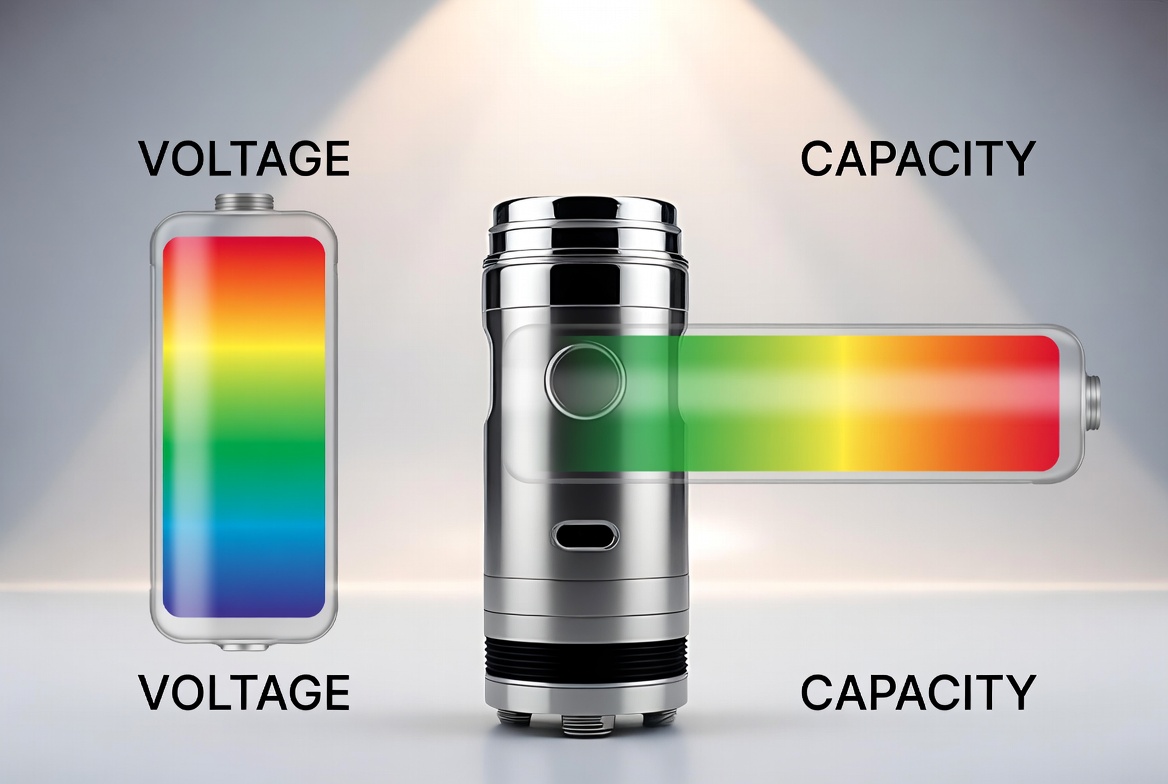
Voltage directly shapes coil temperature, vapour density, and throat sensation. Lower voltage tends to produce cooler, smoother draws that preserve delicate flavour notes. Higher voltage generates thicker vapour but can increase harshness or risk scorching the oil if pushed too far.
There are two main approaches:
- Fixed‑voltage batteries: Simple to use and less intimidating for new users, but they may not suit every cartridge equally well.
- Variable‑voltage batteries: Allow fine adjustments for different oils and personal taste, supporting both flavour‑focused draws and more intense sessions.
If you mostly use one type of cartridge and are satisfied with a single style of draw, fixed voltage can be adequate. If you switch between different oils or want more control over flavour and vapour, variable voltage quickly becomes more valuable.
Capacity, usually expressed in milliamp‑hours (mAh), measures how long a device can operate between charges. In simple terms:
- Higher mAh means longer runtime but often a larger and heavier device
- Lower mAh keeps the device thin and light but may require more frequent charging
Light users or people who vape primarily at home may find smaller capacities acceptable. Heavy users, commuters, and travelers often prefer mid‑to‑high capacities that can comfortably last a full day or more. It can be helpful to think about your typical routine: if you dislike scrambling for a charger halfway through the evening, aim for a battery that offers a realistic buffer beyond your usual daily use.
The charging port influences convenience and durability. Many newer batteries now use USB‑C, which typically offers:
- Faster charging compared with older standards
- A reversible plug that is easier to insert in low‑light or on the go
- A more robust connector, reducing wear from repeated use
Some devices still rely on older connectors, and while these can be functional, they may charge more slowly and be more prone to physical wear. For anyone who charges their device frequently, a modern port can make everyday use smoother and less frustrating.
Thread quality and contact stability play a major role in reliability. Strong, well‑machined threads and secure magnetic adapters help maintain consistent electrical contact between battery and cartridge. This reduces issues such as intermittent firing, "no atomizer" errors, and uneven heating.
Built‑in protections are equally important, including:
- Short‑circuit protection to prevent unsafe current flow
- Over‑voltage and over‑current limits to guard internal components
- Automatic cut‑offs that stop excessively long draws
- Over‑temperature safeguards that reduce the risk of overheating
These features help protect both the device and the cartridge, and they can significantly extend the lifespan of your hardware when combined with good usage habits.
Technical specifications matter, but design choices and emerging trends often determine how a battery feels to live with day after day.
Many users want devices that blend into their daily life, rather than stand out. This has driven a move toward:
- Compact housings that disappear into pockets or small bags
- Shapes and finishes that feel more like general‑purpose gadgets than specialized hardware
- Enclosed chambers that hide the cartridge and protect fragile glass
When a battery is easy to carry and comfortable to handle, you are more likely to use it consistently and less likely to leave it behind.
Recent devices increasingly incorporate micro‑controller logic to manage temperature, draw length, and charging cycles with more nuance. Combined with digital displays, this allows:
- Clear visibility of voltage and battery status
- Preheat functions optimized for thicker oils
- More predictable behaviour across different cartridges
For experienced users who value repeatable performance, these features help turn a simple battery‑and‑cart setup into a more refined, data‑aware device without needing a large mod.
There is also growing emphasis on durability and long‑term use. Reinforced housings, better connectors, and more robust internals are becoming more common, making batteries feel less disposable and more like everyday tools designed to last.
In practical terms, this means users can justify investing in a higher‑quality battery, knowing it will likely provide stable performance across many charge cycles and multiple cartridge generations.
Choosing a battery becomes much easier when you start from your habits rather than the product catalogue. Thinking about how, where, and how often you vape can quickly narrow down which features actually matter.
Below is a practical guide to aligning battery types with common usage patterns:
- Occasional flavour‑focused user
If you take a few draws in the evening or on weekends and mainly care about taste, a slim pen or compact variable‑voltage battery is often enough. Look for moderate capacity, lower voltage options, and intuitive controls.
- Daily commuter or frequent traveler
If your device lives in your pocket or bag and you use it throughout the day, a compact box battery with an enclosed cartridge and mid‑to‑high capacity is more suitable. Rugged housing, a secure chamber, and a modern charging port make everyday life easier.
- Cartridge‑rotating enthusiast
If you regularly switch between different terpene profiles, viscosities, or brands, a battery with variable voltage and a clear display is ideal. It allows you to dial in settings per cartridge and repeat them reliably.
- Heavy or dual‑oil user
For heavy usage or those who like to carry multiple options at once, high‑capacity box batteries or dual‑cartridge devices shine. They combine extended runtime with flexibility, reducing the need for constant swapping or charging.
- Discreet urban user
If you prioritise discretion in busy environments, a stealthy, designer‑style battery that conceals the cartridge and offers auto‑draw activation can feel more natural. Focus on compact footprints and unobtrusive shapes.
By viewing yourself through one of these lenses, you can move from a broad market with many overlapping devices to a short list of batteries that genuinely fit your lifestyle.
Over time, certain strengths and weaknesses repeat across user experiences, regardless of brand. Understanding these patterns helps you avoid common frustrations.
Frequent complaints include:
- Cartridges that burn out quickly due to excessive voltage or prolonged draws
- Batteries that feel underpowered and cannot deliver satisfying vapour
- Devices that show intermittent errors because of poor thread alignment or contact points
- Short runtimes that interrupt sessions and force unplanned charging
In response, better‑regarded batteries tend to focus on stable connections, sensible voltage ranges, clear status indicators, and protective housings. Users often report that consistent behaviour and simple, reliable operation matter more than niche features that see little daily use.
From an expert perspective, the most important decision is not the specific model name, but whether the battery's voltage range, capacity, and physical design are honestly aligned with your oils and your routine. When those elements support each other, even mid‑priced hardware can deliver a premium experience. When they clash, high‑end specs do little to prevent disappointment.
Once you've chosen a battery, a few straightforward habits can help you get more from both the device and your cartridges.
When using a cartridge for the first time, begin at the lower end of the voltage range and increase gradually. This approach gives the coil time to warm up, protects more delicate flavour compounds, and helps identify a comfortable setting without overshooting into harshness.
Preheat functions are designed to gently warm thicker oils, especially in cooler environments or after extended inactivity. Keep preheat brief and follow with moderate power levels rather than jumping straight to maximum voltage. This reduces the risk of scorching oil near the coil and helps maintain smoother, more even vapour.
Rather than draining the battery almost completely each time, try to recharge at moderate depletion levels. Many users find that regular short top‑ups, especially with modern fast‑charging ports, keep the device ready without putting unnecessary stress on the cell.
Periodically inspect the cartridge connection points. Wipe away any residue, ensure the cartridge seats snugly, and avoid overtightening. Gentle but firm installation preserves thread integrity and reduces contact issues that lead to misfires or error messages.
Treat the device like any other small electronic gadget. Keep it away from extreme temperatures, high moisture, and physical shocks. Using a dedicated pocket or section in a bag, rather than tossing the battery in with keys or coins, helps protect both the housing and the cartridge.
When you combine a well‑matched battery type with sensible usage habits, the result is a smoother, more predictable vaping experience. You enjoy more consistent flavour and vapour, fewer interruptions due to charging or hardware issues, and a device that feels genuinely integrated into your daily life.
Instead of focusing solely on technical specifications or marketing claims, start with your own habits, then choose a battery whose design, voltage range, capacity, and features support the way you actually vape. That alignment is what ultimately turns a simple 510 thread battery into a trusted everyday companion.
1. Why does my cartridge taste burnt on a new battery?
Burnt taste usually comes from running at a voltage that is too high for the specific oil or taking very long draws that overheat the coil. Starting at a lower setting and shortening draw length often resolves the issue.
2. Is a higher‑capacity battery always better?
Not necessarily. Higher capacity provides longer runtime but also tends to add size and weight. If you value discretion and light carry, a mid‑range capacity may be a better balance than the maximum available.
3. Do I need variable voltage if I only use one type of cartridge?
If your chosen cartridges perform well at a single moderate power level and you rarely change oils, a fixed‑voltage battery can be sufficient. Variable voltage becomes more valuable when you switch between different formulations or want more control over flavour and vapour characteristics.
4. What is the practical advantage of a modern charging port?
A modern port typically charges faster, is easier to plug in, and tends to be more durable over time. For users who charge their device frequently, these small conveniences add up and make everyday use more comfortable.
5. How long should a good 510 thread battery last?
With normal use and sensible charging habits, many batteries provide stable performance across a large number of charge cycles. Lifespan depends on build quality, care, and usage intensity, but with thoughtful handling, a well‑made device can serve reliably over an extended period.
1. TVape. "Best 510 Thread Batteries 2026." https://tvape.com/blog/best-oil-pen-vapes/
2. Rokin Vapes. "Complete Comparison Of The Best 510 Thread Batteries." https://www.rokinvapes.com/choosing-right-510-battery-comparison-guide/
3. Vaping360. "Best 510 Thread Batteries 2026." https://vaping360.com/best-vape-pens/510-thread-batteries/
4. European Business Magazine. "Top 11 Trends in 510 Thread Batteries in 2025." https://europeanbusinessmagazine.com/top-11-trends-in-510-thread-batteries-in-2025/
5. Fraser Stop N Go. "Best 510 Thread Batteries 2025." https://fraserstopngo.ca/blogs/vapes/best-510-thread-batteries
This website contains products intended for adults only.
Are you 18 years of age or older?
WARNING: This product contains nicotine. Nicotine is an addictive chemical.


