
Language
Views: 262 Author: 7DaysVape Publish Time: 2026-08-05 Origin: Site


Content Menu
● Why Vape Prices Vary So Much
● Current Vape Price Ranges by Category (2026)
● What the Data Reveals About Brand Pricing Power
● The Hidden Cost of Disposables: Environmental and Long-Term Value
● Who Is Buying What: Consumer Preference Patterns
● Practical Steps to Get the Best Vape Price Without Sacrificing Quality
● Where Vape Pricing Is Headed
Vape prices in 2026 vary widely, from $16 entry-level disposables to $200+ premium devices, depending on puff count, battery life, and e-liquid quality. Understanding what drives these costs helps every consumer—from first-time buyers to seasoned vapers—make a smarter purchase rather than an impulsive one.
The global e-cigarette and vape market has grown into a $38.93 billion industry in 2026, with projections reaching $77.27 billion by 2030. This rapid expansion has reshaped pricing structures, flavor innovation, and product lifespans. For consumers navigating Electronic Cigarettes, Disposable Vape, and E-Liquid options, knowing where your money goes is essential.

Not all vapes are created equal, and price differences reflect real product distinctions rather than arbitrary markup.
Key factors influencing vape prices include:
- Puff count: Devices now range from 600 puffs to 15,000+ puffs, with high-capacity disposables commanding premium prices
- Battery capacity: Larger batteries supporting extended use sessions add to manufacturing cost
- E-liquid formulation: Nicotine salt concentration, flavor complexity, and ingredient sourcing affect price
- Brand reputation: Established brands with rigorous quality control often price higher than unbranded alternatives
- Regulatory compliance costs: Age-verification packaging, child-resistant design, and lab testing add to retail price
| Product Type | Price Range | Typical Puff Count / Use |
|---|---|---|
| Entry-level disposable | $16–$25 | 600–2,000 puffs |
| Mid-tier disposable | $25–$45 | 3,000–6,000 puffs |
| High-puff disposable | $45–$80 | 6,000–15,000 puffs |
| Pod system starter kit | $20–$50 | Refillable, ongoing pod cost |
| Premium mod/tank device | $60–$200+ | Refillable, customizable |
The biggest trend entering 2026 is the rise of high-puff disposables, with 6,000–15,000 puff devices becoming the new standard rather than the exception. This shift means consumers are increasingly paying more upfront but getting significantly more usage per device—effectively lowering the cost-per-puff over time.
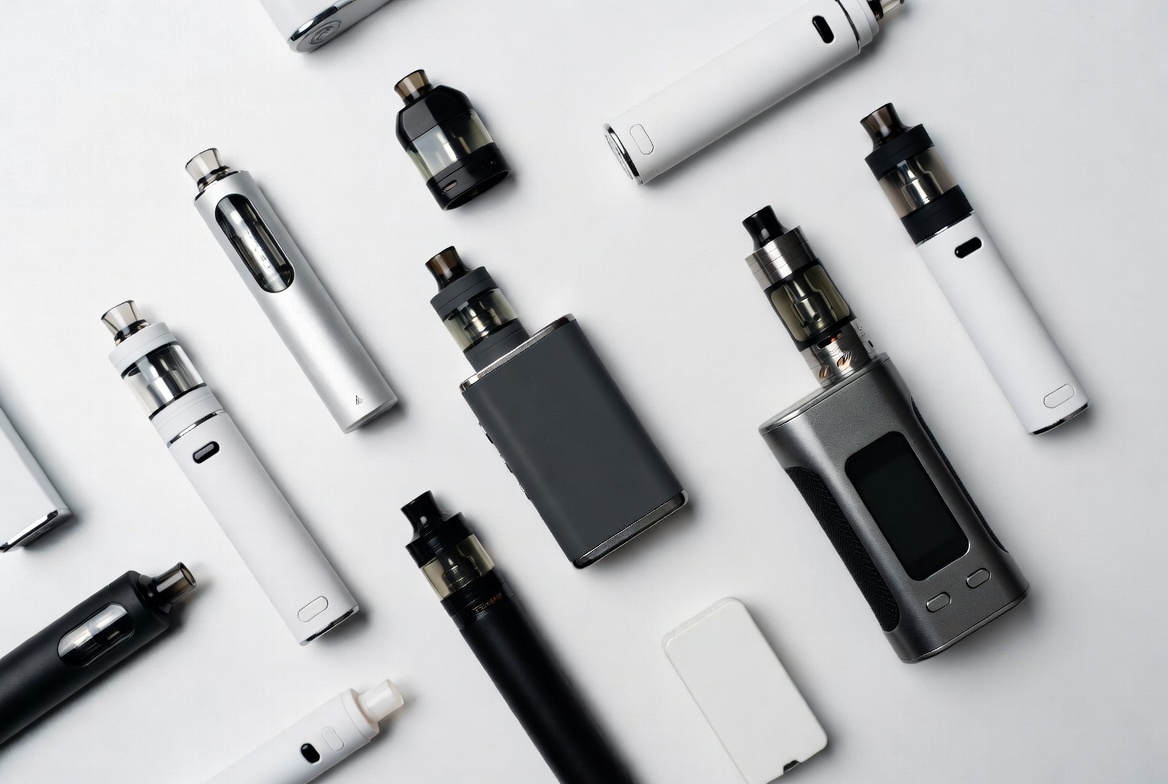
Brand dominance directly affects what you pay at checkout. Recent retail scanner data shows that just five brands—Vuse, JUUL, Geek Bar Pulse, Breeze Smoke, and Raz—account for 73.0% of total dollar sales in the U.S. market. This concentration gives leading brands significant pricing leverage, often positioning premium products 20–40% above generic alternatives despite similar hardware specifications.
Earlier tracking periods showed a similar pattern, with Vuse, JUUL, Breeze Smoke, Elfbar, and NJOY commanding 67.2% of dollar sales among the top five brands. This consistency across time periods signals that brand loyalty—not just price—drives much of the purchasing behavior in this category.
Most price guides stop at the checkout total, but a complete cost analysis must account for frequency of replacement and waste. Americans discarded 5.7 disposable vapes every second in 2023, up sharply from 4.5 per second in 2022. This acceleration followed a regulatory shift: after the 2020 FDA crackdown on flavored e-liquid cartridges for reusable systems, disposable vape sales increased by 196.2% by March 2023.
This data matters for buyers thinking beyond the sticker price. A $20 disposable replaced weekly costs roughly $1,040 annually, while a $60 refillable pod system with $15 monthly e-liquid costs approximately $240 annually. For frequent users, refillable systems often deliver substantially better long-term value despite higher upfront cost.
Understanding buyer behavior helps explain pricing trends across product tiers. Survey data on disposable pod usage found that 11.2% of e-cigarette customers had used disposable pods in the past 30 days, with strong flavor preferences shaping purchase decisions. Among disposable users, fruit and candy flavors were preferred by 80.7%, mint by 77.4%, and menthol by 67.7%, while tobacco flavors trailed at just 19.4%.
Notably, disposable pod users tend to be younger, prefer higher nicotine concentrations, and are less likely to have previously smoked cigarettes compared to refillable device users. This demographic insight explains why disposable pricing has stayed competitive—manufacturers are optimizing for a price-sensitive, flavor-driven audience rather than long-term smokers seeking cost savings through bulk e-liquid purchases.
Follow this sequence to avoid overpaying while still securing a reliable product:
1. Calculate cost-per-puff, not just sticker price—divide total price by advertised puff count to compare devices fairly
2. Check nicotine concentration labeling, since higher concentrations may allow slower consumption and better long-term value
3. Compare refillable versus disposable total cost over a 3-month period based on your actual usage frequency
4. Verify battery capacity listed in mAh, as underpowered batteries force early replacement regardless of puff count
5. Buy from retailers offering lab-tested products, since compliance testing costs are reflected in fair pricing, not just markup
6. Watch for bulk or multi-pack discounts, which can meaningfully reduce per-unit cost for regular users
The market's projected growth to $77.27 billion by 2030 suggests continued innovation in puff efficiency and battery technology, which should gradually lower cost-per-use even as sticker prices for premium devices rise. Buyers should expect high-puff disposables to become the default entry point rather than a premium tier, following the trajectory already visible in 2026 product lineups.
At the same time, growing awareness of disposable vape waste may push more price-conscious and environmentally minded consumers toward refillable systems, especially as e-liquid costs remain stable relative to hardware inflation.
Ready to find a vape that matches both your budget and your flavor preferences? Browse 7DaysVape's curated selection of disposable vapes, e-liquids, and starter kits, and use our side-by-side pricing comparison tool to find the best value for your usage habits today.
Q: Why do some disposable vapes cost more than $50?
A: Higher-priced disposables typically offer 6,000–15,000 puffs, larger batteries, and more refined flavor formulations, which justify the premium compared to entry-level 600-puff devices.
Q: Is a refillable pod system cheaper than disposables in the long run?
A: Yes, for regular users. A refillable system with monthly e-liquid purchases often costs significantly less annually than replacing disposables weekly, despite a higher upfront device price.
Q: Which vape brands dominate current market pricing?
A: Vuse, JUUL, Geek Bar Pulse, Breeze Smoke, and Raz together account for 73.0% of dollar sales, giving them notable influence over category pricing.
Q: Do flavor preferences affect vape pricing?
A: Indirectly. Fruit, candy, mint, and menthol flavors are the most popular among disposable users, and high-demand flavors are sometimes priced at a slight premium due to formulation complexity.
Q: How has the disposable vape market grown recently?
A: The overall e-cigarette and vape market is projected to grow from $45.7 billion in 2025 to $59.2 billion in 2026, reflecting strong ongoing demand.
Q: What should I check before buying a cheap disposable vape?
A: Confirm the advertised puff count matches battery capacity and check for lab testing certification, since ultra-low prices sometimes indicate compliance shortcuts.
1. E-Cigarette and Vape Market Report 2026 — https://www.imarcgroup.com/e-cigarette-vape-market
2. National Trends Data Snapshot: E-Cigarette Brand Dollar Share — https://truthinitiative.org
3. Top Disposable Vape Trends 2026 in the USA and Canada — https://www.google.com/search?q=Top+Disposable+Vape+Trends+2026
4. Prevalence of disposable pod use and consumer preference among e-cigarette users — https://pubmed.ncbi.nlm.nih.gov
5. Data Snapshot: E-Cigarette Brands Market Share (Vuse, JUUL, Geek Bar Pulse) — https://truthinitiative.org
6. Vape Waste Report — Disposable Vape Environmental Impact — https://truthinitiative.org
7. E-cigarette And Vape Market Size & Share Report 2026-2033 — https://www.grandviewresearch.com
8. E-Cigarette Brand Trends in the United States (PMC) — https://pmc.ncbi.nlm.nih.gov
This website contains products intended for adults only.
Are you 18 years of age or older?
WARNING: This product contains nicotine. Nicotine is an addictive chemical.


