
Language
Views: 264 Author: 7DaysVape Publish Time: 2026-09-13 Origin: Site


Content Menu
● What Is an Electronic Cigarette?
>> Vaping Is Not the Same as Smoking
● Why Adult Smokers Consider Vaping
>> The Complete-Switch Principle
● What Research Says About Smoking Cessation
>> What the Evidence Does Not Support
● A Safer Decision Framework for Adults
>> Step 1: Identify Your Real Goal
>> Step 2: Check Local Rules Before Accessing a Product
>> Step 3: Choose Support, Not Just a Device
● Product Safety and Responsible Use
>> Device and Battery Checklist
● How to Avoid Common Mistakes
>> Mistake 1: Continuing Daily Cigarette Smoking
>> Mistake 2: Using Unknown or Illicit Products
>> Mistake 3: Ignoring Nicotine Dependence
>> Mistake 4: Treating Vaping as a Lifestyle Accessory
● A Personal, Realistic Perspective
>> Are electronic cigarettes safer than smoking cigarettes?
>> Can vaping help an adult smoker quit?
>> Is dual use of cigarettes and vapes a good long-term plan?
>> Are disposable vapes legal in Australia?
>> Can I buy vaping products online in Australia?
>> Who should not use nicotine vaping products?
>> What should I do if I feel unwell after vaping?
>> Should I taper nicotine after I stop smoking?
For adults who smoke cigarettes, the question is rarely whether vaping is completely risk-free. It is usually more practical: can a regulated electronic cigarette help me move away from combustible tobacco, and what should I understand before I make that decision?
Electronic cigarettes, also called vapes, e-vapes, or nicotine vaping products, heat a liquid into an aerosol rather than burning tobacco. That difference matters because cigarette smoke is created by combustion. However, "no smoke" does not mean "no risk." Vaping can still expose the user to nicotine and other potentially harmful substances, and it is not appropriate for children, teenagers, pregnant people, or adults who have never smoked.
For a current adult smoker, the most important distinction is between switching completely away from cigarettes and simply adding vaping alongside smoking. A complete transition away from combustible tobacco is the scenario most often discussed in smoking-cessation research. Dual use may leave a person exposed to the harms of smoking while also maintaining nicotine dependence.
This guide explains how electronic cigarettes work, what the evidence can and cannot say, how to assess product quality and legal access, and how adult smokers can make more informed choices with professional support.
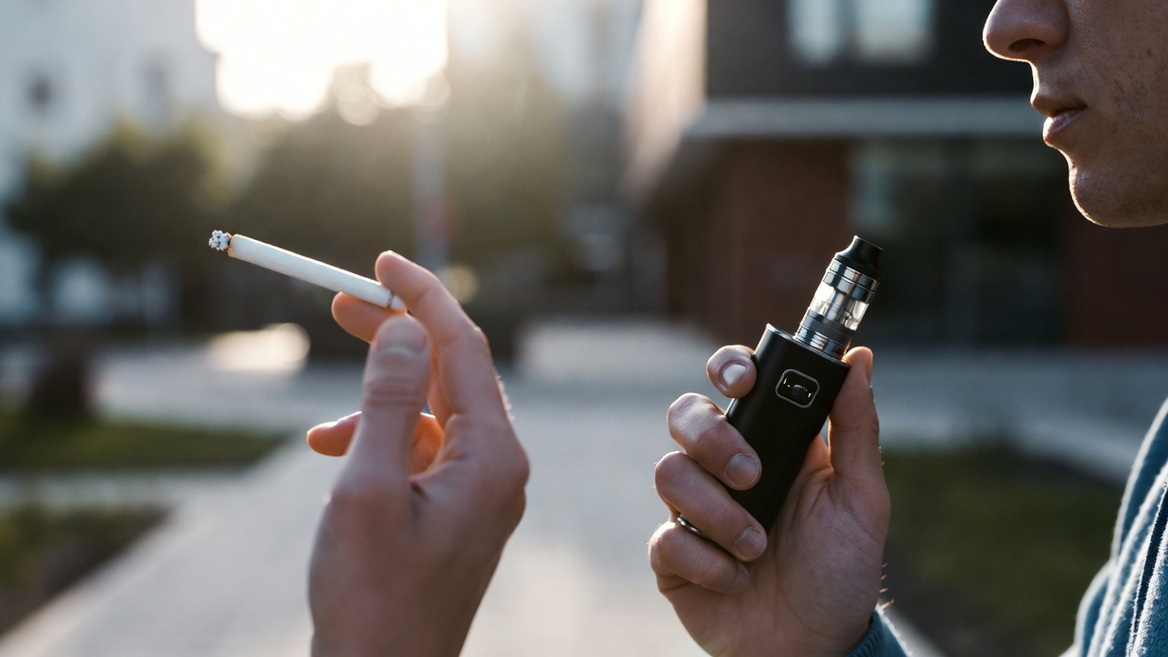
An electronic cigarette is a battery-powered device that heats e-liquid to produce an inhalable aerosol. It does not burn tobacco leaf. Common formats include rechargeable pod devices, refillable systems, and other closed or open vaping products.
Most e-liquid contains a combination of:
- Propylene glycol and vegetable glycerine, which create the aerosol base
- Flavouring ingredients
- Nicotine, in products formulated for nicotine dependence management
- Other ingredients that may vary by manufacturer and jurisdiction
A device may also contain a cartridge, pod, coil, wick, mouthpiece, charging port, and safety circuitry. Product design affects how consistently the device heats liquid, how much aerosol it produces, and how easy it is to use correctly.
A cigarette burns tobacco at very high temperatures. That combustion produces smoke containing carbon monoxide, tar, and a large number of toxic and cancer-causing compounds.
An e-cigarette creates an aerosol by heating liquid. This means it does not produce tobacco smoke in the same way a combustible cigarette does. Yet aerosol is not simply water vapour. Depending on the device, liquid, operating temperature, and user behaviour, it can contain nicotine, ultrafine particles, volatile organic compounds, and trace metals.
The balanced conclusion is simple: vaping is not harmless, but the risk profile differs from smoking combustible cigarettes.
People who currently smoke may consider electronic cigarettes for different reasons. Some want a less smoke-intensive nicotine option. Some find that the hand-to-mouth routine, inhalation pattern, and rapid nicotine delivery feel more familiar than nicotine gum or patches. Others are trying to reduce or stop cigarette consumption.
Common reasons adult smokers report include:
- Reducing exposure to cigarette smoke
- Managing nicotine cravings during a quit attempt
- Replacing smoking routines such as work breaks or after-meal cigarettes
- Avoiding the smell of smoke on clothing, hair, and indoor spaces
- Seeking a product that may support a full transition away from cigarettes
These motivations are understandable, but the outcome depends on how the product is used. Replacing cigarettes completely is different from using both products indefinitely.
If an adult smoker uses a regulated nicotine vaping product as part of a quit attempt, the practical aim should be to stop smoking cigarettes rather than keep both habits going.
| Use Pattern | What It Means | Key Consideration |
|---|---|---|
| Complete Switch | Cigarettes are replaced by a regulated vaping product | May reduce exposure to combustion-related toxins compared with continued smoking |
| Dual Use | Cigarettes and vaping continue together | Smoking-related harm remains because combustible tobacco use continues |
| Occasional Experimentation | Intermittent vaping without a structured quit plan | May not meaningfully reduce cigarette use |
| Never-Smoker Uptake | A person who does not smoke begins vaping | Creates avoidable nicotine and aerosol exposure |
A person who is still smoking daily should not assume that adding an e-vape automatically solves the health risks associated with tobacco. The most meaningful step is stopping combustible cigarette use.
Evidence on nicotine vaping products is evolving. Large evidence reviews have found that nicotine electronic cigarettes can help some adults who smoke to quit for at least six months. In controlled studies, regulated nicotine e-cigarettes have shown higher quit rates than conventional nicotine replacement therapy in certain comparisons.
That does not mean every smoker will quit with a vape. Quitting remains difficult because nicotine dependence includes physical cravings, learned routines, emotional cues, and social triggers. The best approach often combines a suitable cessation tool with behavioural support, realistic goals, and a plan for difficult moments.
For an adult who already smokes cigarettes, current evidence supports several cautious conclusions:
- Regulated nicotine electronic cigarettes can help some adults stop smoking.
- Nicotine vaping products can outperform some traditional nicotine-replacement approaches in smoking-cessation studies.
- A full move away from combustible cigarettes is likely more beneficial than continuing to smoke.
- Product quality, legal regulation, and correct use are important.
- Long-term health effects require ongoing research.
Responsible information should also state what remains uncertain:
- Vaping is not a safe choice for non-smokers.
- Nicotine can cause dependence.
- Long-term effects of sustained vaping are still being studied.
- Unregulated, counterfeit, modified, or illegally supplied products can introduce additional risks.
- Vaping should not be presented as a medical cure or a universal quitting solution.
- People with respiratory disease, cardiovascular concerns, pregnancy, or complex medication needs should seek personalised advice from a health professional.
No nicotine product is risk-free. For adults who smoke, the relevant comparison is often continued smoking versus a complete, regulated alternative supported by a quit plan.
A thoughtful decision starts with your current smoking pattern, not with a flavour, device trend, or social-media recommendation.
Write down which outcome you want:
1. Stop smoking completely.
2. Reduce cigarettes as a short transition toward quitting.
3. Manage nicotine cravings during a structured quit attempt.
4. Understand legally available treatment options.
If the answer is "I want to keep smoking and vape as well," consider discussing the plan with a pharmacist, doctor, or quit service. Dual use can become a long-term holding pattern rather than a route away from cigarettes.
Vaping rules are not the same in every country. In Australia, vaping products are regulated as therapeutic goods intended to help adults quit smoking or manage nicotine dependence. Availability is restricted to lawful channels, and state or territory rules may differ.
Before making any decision, confirm:
- Whether the product is legal in your state or territory
- Whether access is through a participating pharmacy
- Whether a prescription is required in your circumstances
- Whether the nicotine concentration and product category are permitted
- Whether the packaging, ingredients, and supplier meet applicable standards
Never rely on a product label alone. A low price, colourful packaging, or large puff count does not establish legal supply, reliable ingredients, or device safety.
A vaping product is more likely to be useful when paired with a plan. Consider:
- Choosing a quit date for combustible cigarettes
- Identifying triggers such as alcohol, stress, driving, or social situations
- Removing cigarettes, lighters, and ashtrays from your immediate environment
- Telling a trusted person about your quit attempt
- Using counselling, a quitline, pharmacist, or clinician for accountability
- Reviewing progress after one week, one month, and three months
A practical rule is to measure success by cigarettes not smoked, not by how often a device is used.
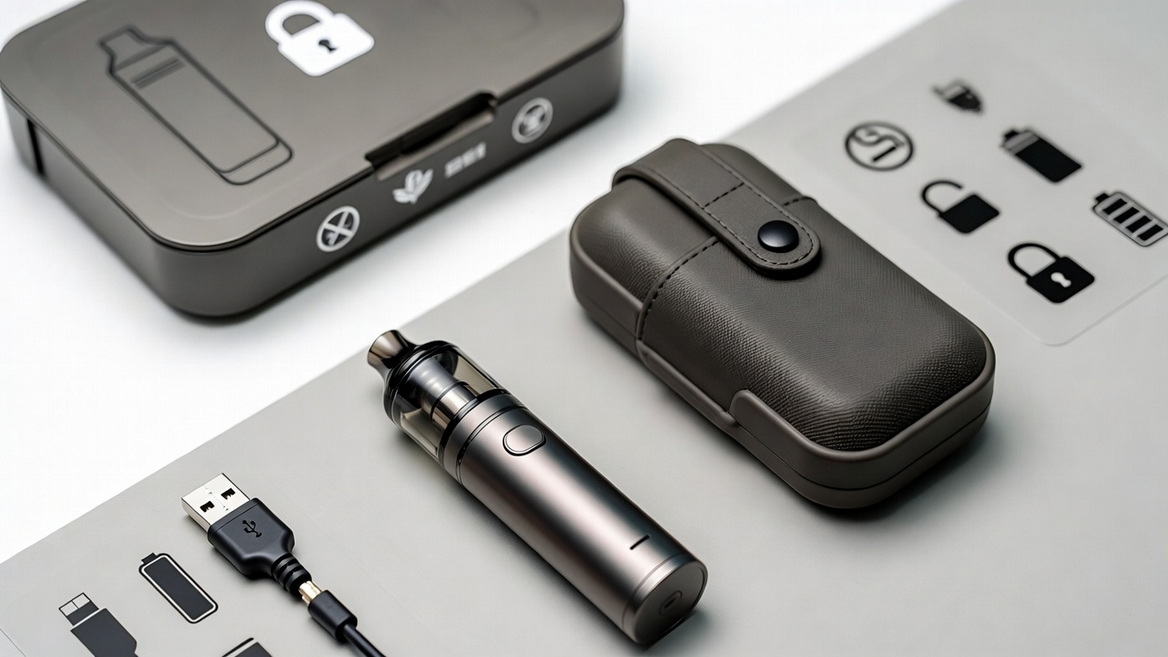
If a nicotine vaping product is clinically appropriate and legally available to you, device handling still matters. Battery problems, leakage, overheating, and exposure to nicotine liquid are preventable risks when users follow basic precautions.
Use these principles for any rechargeable electronic device:
- Use the correct charging cable and a reputable power source.
- Do not charge a device overnight or leave it unattended.
- Stop using batteries that become unusually hot, damaged, swollen, or wet.
- Keep devices away from direct heat, sunlight, and flammable materials.
- Store e-liquid and devices where children and pets cannot access them.
- Do not modify a device, battery, coil, or e-liquid formulation.
- Follow the manufacturer's instructions and local disposal rules.
Nicotine liquid can be toxic if swallowed or absorbed through the skin, especially for young children. If a spill occurs, clean it promptly and wash exposed skin. Seek urgent medical advice if a child, pet, or adult may have ingested nicotine liquid.
Stop using a product and obtain medical advice if you experience symptoms that are severe, persistent, or concerning, including:
- Chest pain or marked shortness of breath
- Significant palpitations or fainting
- Severe nausea, vomiting, dizziness, or confusion
- Signs of allergic reaction
- A burn, battery incident, or suspected nicotine poisoning
Mild throat irritation may occur with inhaled products, but persistent respiratory symptoms should not be ignored. If you have asthma, chronic obstructive pulmonary disease, heart disease, or another chronic condition, talk with a clinician before changing your nicotine use.
Many quit attempts fail because the plan is vague rather than because the person lacks motivation. The following mistakes are especially common.
Using an electronic cigarette while continuing to smoke may not deliver the intended reduction in combustion exposure. Set a specific cigarette-free target date and track your cigarette use honestly.
Avoid products with unclear origin, missing ingredient information, altered components, or claims that sound too good to be true. Do not use products obtained through informal sellers, social media contacts, or unverified online sources.
Switching delivery methods does not automatically end nicotine dependence. If your long-term goal is nicotine-free living, create a tapering plan with a pharmacist or clinician once cigarette smoking has stopped.
Nicotine products should not be marketed or used as a recreational accessory for young people or non-smokers. The appropriate focus for adults who smoke is harm reduction and smoking cessation, not initiation.
People who have smoked for years often describe quitting as more than a chemical challenge. Cigarettes may be attached to coffee, commuting, conflict, celebrations, work stress, or a moment of quiet. Replacing those routines takes preparation.
A useful approach is to ask: What job is the cigarette doing for me? If it offers a break, schedule a break. If it relieves stress, add a short walk, breathing exercise, or call to someone supportive. If it fills idle time, prepare another routine.
For some adult smokers, a regulated nicotine e-cigarette may be one tool within that transition. For others, nicotine replacement therapy, prescription medication, counselling, or a combination of approaches may be more suitable. The most effective plan is the one that helps you stop smoking and that you can maintain safely with professional guidance.
Electronic cigarettes are not for children, teenagers, pregnant people, or adults who do not smoke. They are not harmless, and they should not be described as a risk-free substitute for cigarettes.
For adults who already smoke, regulated nicotine vaping products may help support a complete move away from combustible tobacco when used as part of a structured quitting plan. The key priorities are simple: stop smoking cigarettes, use only lawful and regulated options, avoid unknown products, and seek support when needed.
If you smoke and are considering a switch, speak with a pharmacist, doctor, or local quit service about the safest legal options available where you live. A personalised plan is more valuable than a quick purchase decision.

Electronic cigarettes do not burn tobacco, so they avoid the combustion process that creates cigarette smoke. They are not risk-free, however. They can expose users to nicotine and other harmful substances. For adults who smoke, completely switching away from combustible cigarettes is generally more relevant than simply adding vaping to continued smoking.
Evidence reviews have found that regulated nicotine electronic cigarettes can help some adults stop smoking for at least six months. Results vary between individuals, and quitting is more effective when combined with behavioural support, a clear target, and follow-up from a pharmacist, doctor, or quit service.
Usually, no. Dual use means a person continues to inhale cigarette smoke while also using a vaping product. If vaping is being used for smoking cessation, the practical objective should be a complete transition away from combustible cigarettes.
Australia has prohibited the importation and sale of non-therapeutic vapes and disposable vaping products. Rules can vary by state and territory. Adults should check current advice from government health authorities and speak with a participating pharmacy about lawful therapeutic options.
Australian law restricts the sale of vaping products to therapeutic pathways and pharmacies, subject to applicable federal, state, and territory rules. Online retail offers should not be assumed to be legal, regulated, or suitable for smoking cessation.
Children, teenagers, pregnant people, and adults who have never smoked should not use nicotine vaping products. People with chronic health conditions, respiratory symptoms, heart concerns, or medication-related questions should speak with a qualified health professional before changing their nicotine use.
Stop using the product and seek medical advice if symptoms are severe, persistent, or worrying. Urgent assessment is appropriate for chest pain, serious breathing difficulty, fainting, suspected poisoning, severe dizziness, or a battery-related injury.
That depends on your goals, nicotine dependence, and clinical advice. Some people first focus on becoming cigarette-free, then reduce nicotine gradually. A pharmacist or doctor can help you choose a realistic tapering plan and monitor withdrawal symptoms.
- [Australian Government Department of Health, Disability and Ageing — Vaping laws]
- [Australian Government Department of Health, Disability and Ageing — Therapeutic vapes]
- [Alcohol and Drug Foundation — Australian vaping rules and regulations]
- [Cochrane — Electronic cigarettes for smoking cessation]
- [PubMed — Electronic cigarettes for smoking cessation, Cochrane Database of Systematic Reviews]
- [HealthyWA — E-cigarettes and vaping]
- [World Health Organization — Tobacco: E-cigarettes]
- [National Health and Medical Research Council — Electronic cigarettes]
This website contains products intended for adults only.
Are you 18 years of age or older?
WARNING: This product contains nicotine. Nicotine is an addictive chemical.


