
Language
Views: 233 Author: 7DaysVape Publish Time: 2026-08-04 Origin: Site


Content Menu
● MTL vs DTL: Side-by-Side Comparison
● Where Disposable Vapes Fit In
● Practical Steps to Choose Your First Setup
● An Expert Perspective on Getting It Right
● Finding Your Match at 7DaysVape
Choosing between mouth-to-lung (MTL) and direct-to-lung (DTL) vaping is one of the first — and most important — decisions any vaper makes, and getting it wrong often leads to a frustrating experience with the wrong device, e-liquid, or nicotine strength.
Mouth-to-lung vaping replicates the traditional cigarette draw: vapour is pulled into the mouth first, held briefly, then inhaled into the lungs. This two-step motion produces a tighter, slower draw and a more restricted airflow, which is why it feels instantly familiar to anyone transitioning from smoking.
MTL devices are typically pod systems or compact starter kits built around higher-resistance coils and lower wattage output. These setups pair naturally with 50/50 VG/PG e-liquids or nicotine salts, which deliver a smooth throat hit at higher nicotine concentrations without overwhelming the lungs.

Direct-to-lung vaping skips the mouth-holding step entirely — vapour is drawn straight into the lungs in one continuous breath, similar to a deep sigh. This style depends on open airflow, low-resistance coils, and higher power output, commonly found in sub-ohm tanks and box mods.
Because DTL devices vaporise e-liquid much faster and at higher temperatures, they demand high-VG e-liquids (typically 70/30 VG/PG) and lower nicotine strengths (usually 3–6mg), since nicotine at higher concentrations becomes harsh when inhaled this deeply.
| Feature | MTL Vaping | DTL Vaping |
|---|---|---|
| Inhale style | Mouth first, then lungs | Straight to lungs |
| Draw feel | Tight, cigarette-like | Loose, airy |
| Typical nicotine strength | 10–20mg | 3–6mg |
| E-liquid type | 50/50 VG/PG or nic salts | High-VG (70/30) |
| Vapour output | Discreet, minimal cloud | Large, dense clouds |
| Best device type | Pod systems, starter kits | Sub-ohm mods, RTAs/RDAs |
| Monthly running cost | Lower (~£25–£30) | Higher (~£45–£60) |
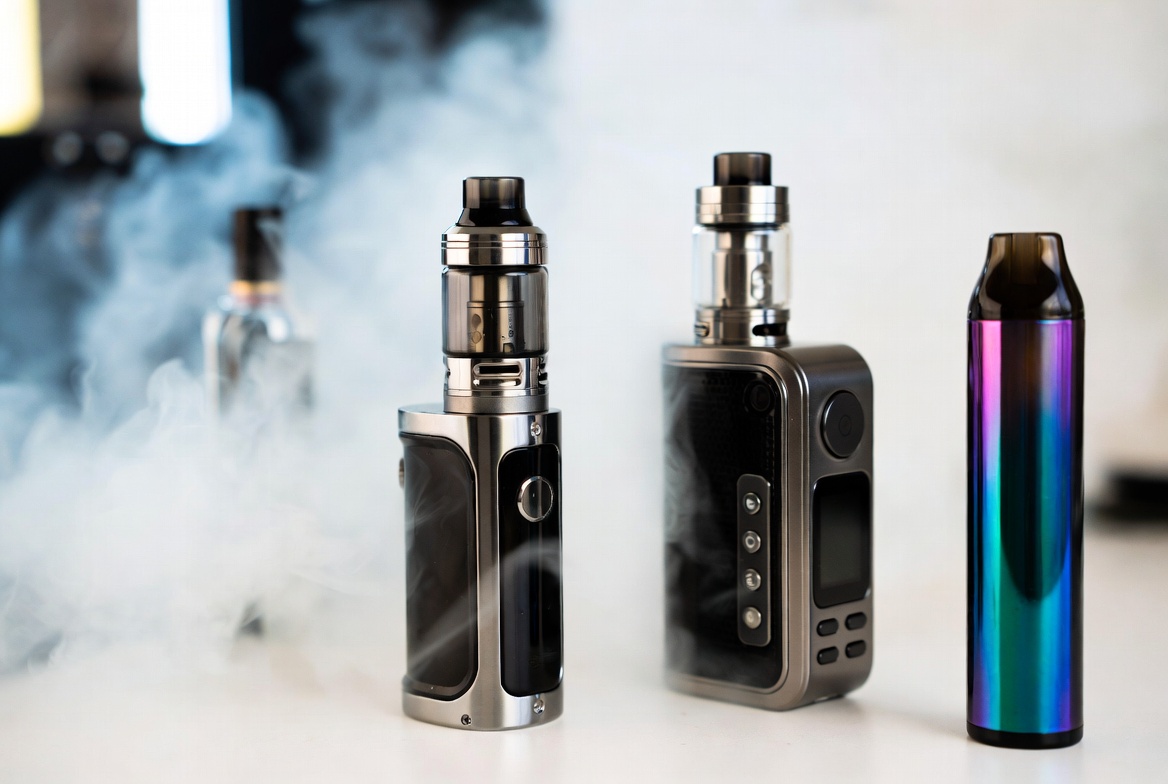
MTL is generally the better entry point for anyone quitting smoking, because the tight draw and higher nicotine delivery closely mimic a cigarette's sensory feedback. Most beginner guides recommend starting here before experimenting further.
DTL tends to suit experienced vapers chasing bigger clouds, richer flavour, and a more relaxed, low-nicotine habit — often after they've already reduced their nicotine dependence through MTL use.
- Switching from cigarettes: choose MTL for a familiar, controlled hit.
- Chasing flavour and cloud production: choose DTL for a fuller, airier experience.
- Prioritising battery life and portability: MTL pod systems generally last longer between charges.
- Building a hobbyist setup with rebuildables: DTL mods offer far more customisation.
Disposable vapes have blurred the line between MTL and DTL by packaging either draw style into a single-use device, and the market has shifted sharply in 2026. Puff counts of 15,000–20,000 are now the baseline expectation, with premium disposables pushing toward 50,000 puffs, reflecting consumer demand for longer-lasting value rather than frequent repurchasing. Manufacturers are also responding to environmental pressure, with recyclable materials, rechargeable batteries, and reduced plastic packaging becoming standard design priorities rather than optional extras.
For consumers deciding between MTL-style and DTL-style disposables, the same core logic applies: tighter draw and higher nicotine salts for a smoking-like feel, versus airier draw and lower nicotine for cloud and flavour focus.
1. Identify your starting point. If you're moving away from cigarettes, default to MTL; if you're already vaping and want more flavour, explore DTL.
2. Match nicotine strength to draw style. Higher nicotine belongs with MTL; lower nicotine belongs with DTL, or throat and lung irritation becomes likely.
3. Pick the right e-liquid base. 50/50 blends for MTL devices, high-VG blends for DTL devices.
4. Budget for ongoing costs. DTL setups typically cost noticeably more per month in coils and e-liquid volume than MTL setups.
5. Test before committing long-term. Starter kits and disposables allow low-risk experimentation before investing in a permanent mod or pod system.
Many new vapers assume DTL is simply the "advanced" version of MTL, but the two styles serve genuinely different purposes rather than sitting on a single difficulty scale. The biggest mistake is mismatching nicotine strength to draw style — using high-nicotine e-liquid in a DTL device is the most common cause of harsh throat hits and early abandonment of vaping altogether. A disciplined approach — matching device, e-liquid base, and nicotine strength together as one system rather than three separate choices — consistently produces a smoother, more satisfying transition for new users.

At 7DaysVape, we stock a full range of MTL pod systems, DTL sub-ohm devices, and high-puff disposable vapes designed for every draw style and experience level, alongside nicotine salts and high-VG e-liquids formulated to match each setup. Whether you're taking your first step away from cigarettes or upgrading to a cloud-chasing DTL rig, browse our full vape and e-liquid range today to find the device that actually fits how you want to inhale — not just the one that looks best on a shelf.
1. Can I switch between MTL and DTL using the same device?
Most devices are built for one style, since coil resistance and airflow are optimised for either a tight or open draw; switching styles generally requires a different pod, tank, or device altogether.
2. Is DTL vaping harder on the lungs than MTL?
DTL delivers a larger volume of vapour directly into the lungs, so it can feel more intense, but it isn't inherently harsher when nicotine strength and e-liquid type are properly matched to the device.
3. Why do MTL devices use higher nicotine e-liquid?
Because the vapour volume per puff is smaller in MTL devices, higher nicotine concentrations are needed to deliver satisfying nicotine intake, similar to a cigarette.
4. Are disposable vapes MTL or DTL?
Disposables can be built for either style — some mimic a tight MTL draw with nicotine salts, while others offer a looser DTL-style draw with high-VG liquid, so checking the product specification matters.
5. Which style is cheaper to maintain long-term?
MTL setups are generally cheaper monthly, averaging roughly £25–£30 versus £45–£60 for DTL setups, due to lower coil and e-liquid consumption.
6. What's the biggest 2026 trend affecting both MTL and DTL disposables?
Higher puff counts (15,000–50,000) and sustainability-driven design changes, including recyclable materials and rechargeable batteries, are reshaping disposable vape choices across both draw styles.
- VaporFi, "MTL vs. DTL: Vaping Styles Explained" — [https://www.vaporfi.com/blog/mtl-vs-dtl-vaping] [vaping360]
- "Vaping for Beginners: Your Ultimate Guide" [tablites]
- "Disposable Vape Trends 2026: High-Capacity & Sustainable" [gg-vape]
- "MTL (Mouth to Lung) vs DTL (Direct to Lung)" [vapedinnerlady]
- "Beginners: Which Vape Should I Buy?" [vaping101.co]
- "Best Disposable Vapes of 2026" [mipod]
- "MTL vs DTL Vaping: What's the Difference" [vapeology.co]
This website contains products intended for adults only.
Are you 18 years of age or older?
WARNING: This product contains nicotine. Nicotine is an addictive chemical.


