
Language
Views: 248 Author: 7DaysVape Publish Time: 2026-08-06 Origin: Site


Content Menu
● What Are Nicotine Pouches and How Do They Work?
● What Is Vaping and Why Do Millions Prefer It?
● Side-by-Side Comparison: Nicotine Pouches vs Vaping
● The Data Behind the Trend: Why Nicotine Pouches Are Surging
● Real-World Use Cases: Matching the Product to Your Lifestyle
● Health Considerations Worth Understanding
● Why We Recommend a Flexible Approach
● Practical Steps to Choose the Right Option
If you're standing at the crossroads between nicotine pouches and vaping, you're not alone. Millions of former smokers face this exact decision every year, and the right choice depends on lifestyle, nicotine tolerance, and personal habits rather than marketing hype. As specialists who track nicotine alternatives closely at 7DaysVape, we've broken down every meaningful difference — from chemistry to cost to real-world usability — so you can make an informed decision.

Nicotine pouches are small, tobacco-free packets filled with nicotine, plant fibers, and flavoring, designed to sit between your gum and upper lip. There's no combustion, no vapor, and no device required.
Key characteristics include:
- Discreet, spit-free use in almost any setting
- Nicotine absorbed directly through the oral membrane
- Typical session length of 30 minutes to 1 hour
- Strengths ranging roughly from 1.5mg to 20mg+ per pouch
Because pouches require zero equipment, they've become the fastest-growing nicotine category on the market, with sales nearly tripling from $145 million to $404 million between January 2023 and December 2024 in the United States alone.
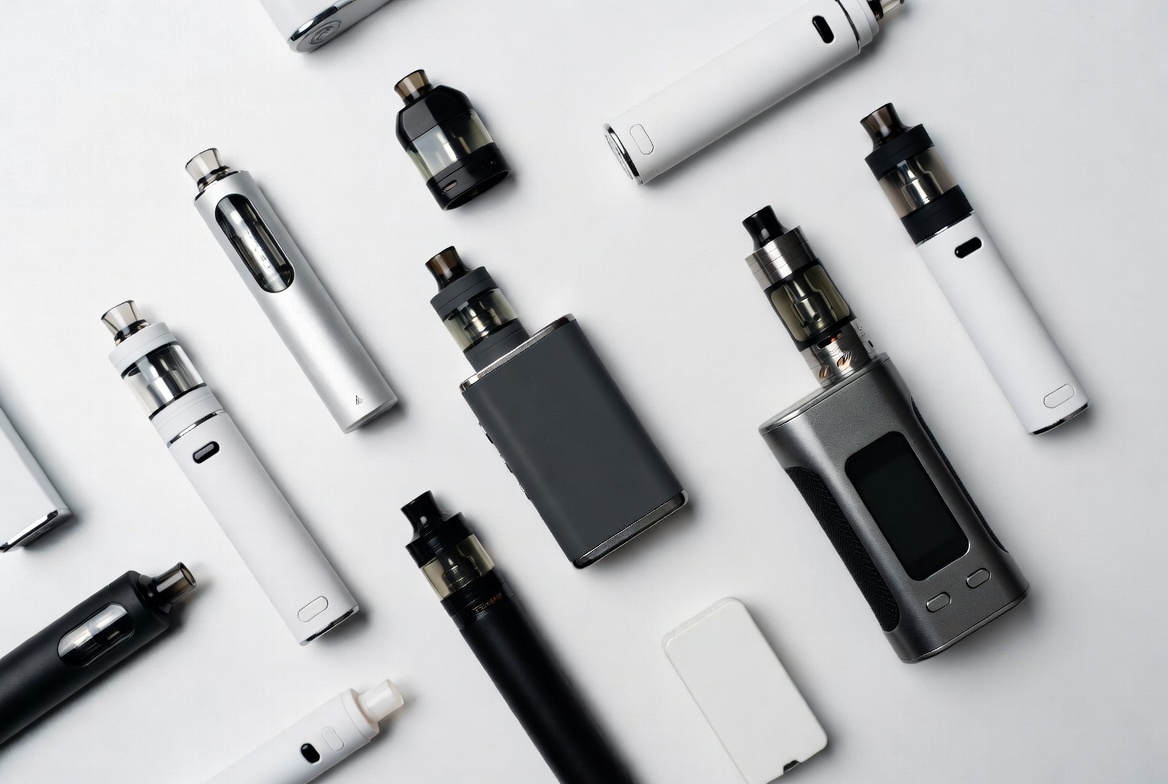
Vaping involves inhaling an aerosol created by heating e-liquid inside a device — whether that's a disposable vape, a pod system, or a refillable mod. Unlike pouches, vaping replicates much of the sensory ritual of smoking: the hand-to-mouth motion, the exhale, and the flavor-forward experience.
Core features of vaping include:
- A wide spectrum of e-liquid flavors, from menthol to dessert profiles
- Nicotine strengths from 0mg up to 60mg/ml depending on the liquid and device
- Instant, adjustable nicotine delivery via inhalation
- A visible, social ritual that some smokers find easier to transition into
| Feature | Nicotine Pouches | Vaping |
|---|---|---|
| Delivery Method | Oral absorption through the gum | Inhalation of heated e-liquid vapor |
| Equipment Needed | None | Device, battery, e-liquid or pods |
| Discretion | Extremely high — no smoke or scent | Moderate — visible vapor and aroma |
| Flavor Range | Mint, fruit, coffee, cinnamon | Broader: fruit, dessert, menthol, tobacco |
| Nicotine Strength | 1.5mg–20mg+ per pouch | 0mg–60mg/ml e-liquid |
| Maintenance | None, ready to use | Charging, refilling, occasional cleaning |
| Session Duration | 30–60 minutes | Varies; a 10ml bottle lasts roughly 3,000 puffs |
| Public Use Restrictions | Minimal, usable almost anywhere | Often banned indoors and on transit |
| Approximate Cost | $2–$7 per can (about 20 pouches) | $5–$100+ for devices, plus recurring liquid costs |
Recent industry reporting shows flavor preference overtook price as the top purchase driver for nicotine pouches in 2026 for the first time, with mint holding the dominant share and fruit-flavored formats more than doubling since 2022. The broader modern oral nicotine market was valued at roughly USD 6.8 billion in 2024, and analysts project it could reach USD 75.7 billion by 2034, reflecting a compound annual growth rate near 27.7%. This explosive growth signals a genuine shift in consumer behavior, not just a passing trend — many long-time vapers are now using pouches as a complementary product for situations where vaping isn't practical, such as flights, offices, or smoke-free venues.
Choosing between pouches and vaping isn't about which is objectively "better" — it's about matching the product to your daily reality.
Nicotine pouches tend to suit:
- Office workers who can't step outside frequently
- Frequent flyers and commuters on public transport
- Anyone prioritizing discretion over flavor variety
- Users seeking a lower-maintenance, no-charging option
Vaping tends to suit:
- Smokers who miss the physical ritual of smoking
- Users who want a wider flavor selection and adjustable vapor output
- People who enjoy social vaping environments
- Those seeking flexible nicotine strength control through refillable e-liquids

Neither product is risk-free, and neither has been definitively proven safer than the other in long-term studies. However, both are widely regarded within harm-reduction circles as significant improvements over combustible cigarettes, since they eliminate tar and the thousands of combustion byproducts found in traditional smoke. Public health researchers have also flagged those flavored formats — in both pouches and vapes — as a strong driver of adoption among adult smokers attempting to quit, though this same appeal has drawn regulatory scrutiny regarding youth access.
From years spent curating nicotine alternatives for a global customer base, our observation is simple: the smokers who transition most successfully rarely pick just one product. Many keep a disposable vape on hand for home or social settings, while carrying pouches for work, travel, or situations where discretion matters. This dual-product strategy often produces higher long-term satisfaction than committing exclusively to one format, because it removes the friction points that push people back toward cigarettes.
1. Assess your daily environment. If you spend most of your day indoors or in shared spaces, pouches offer more flexibility.
2. Evaluate your nicotine tolerance. Heavy smokers may need higher-strength e-liquids or pouches to curb cravings effectively.
3. Consider your budget. Pouches have lower upfront costs; vaping devices require investment but can be cheaper per session over time.
4. Test flavor preferences. Sample a few options from each category before committing to a single product line.
5. Track your satisfaction over two weeks. Note cravings, convenience, and overall comfort to determine your best long-term fit.
There is no universal winner between nicotine pouches and vaping — only the option that best matches your routine, environment, and nicotine needs. If you value flavor variety and a smoke-like ritual, vaping likely fits better. If discretion, portability, and zero maintenance matter most, nicotine pouches are the stronger choice.
Ready to explore both options for yourself? Browse 7DaysVape's full range of disposable vapes, e-liquids, and nicotine pouches, and find the product that matches your lifestyle today.
1. Are nicotine pouches stronger than vaping?
Not necessarily. Pouch strength typically ranges from 1.5mg to 20mg per pouch, while e-liquids can range from 0mg to 60mg/ml, so intensity depends more on the specific product than the category itself.
2. Can I use nicotine pouches and vaping together?
Yes, many users combine both — vaping at home or socially, and using pouches when discretion is required, such as at work or during travel.
3. Which is more cost-effective long-term, pouches or vaping?
Pouches have lower upfront costs, generally $2–$7 per can, while vaping devices range from $5 to over $100 plus ongoing e-liquid costs, though heavy users may find refillable vapes cheaper per session over time.
4. Do nicotine pouches produce any vapor or smoke?
No. Pouches are completely smoke-free and vapor-free, making them one of the most discreet nicotine alternatives available.
5. Is one option safer than the other?
Neither has been conclusively proven safer in long-term studies, but both are considered significant harm-reduction alternatives to combustible cigarettes by removing tar and combustion byproducts.
6. Why are nicotine pouches growing so quickly in popularity?
Sales in the U.S. nearly tripled between 2023 and 2024, driven largely by flavor variety, discretion, and zero-maintenance convenience compared to vaping devices.
1. Nicokick, "Nicotine Pouches vs Vapes: Which One is Right for You?" — https://www.nicokick.com/blogs/pouch-perfect/nicotine-pouches-vs-vapes
2. Pouch Perfect Blog, "The Nicotine Pouch Report 2026" — https://www.nicokick.com/blogs/pouch-perfect
3. Truth Initiative, "Monitoring a Changing Tobacco Product Market in the United States" (2026) — https://truthinitiative.org/research-resources/emerging-tobacco-products/rapidly-evolving-nicotine-product-market
4. Galimov, A. et al., "Prevalence of disposable pod use and consumer preference for flavors" (2021) — https://pubmed.ncbi.nlm.nih.gov/34613556/
5. Market Research Report, "Modern Oral Nicotine Products Market Research Report" (2025) — https://www.futuremarketinsights.com/reports/modern-oral-nicotine-products-market
This website contains products intended for adults only.
Are you 18 years of age or older?
WARNING: This product contains nicotine. Nicotine is an addictive chemical.


