
Language
Views: 251 Author: 7DaysVape Publish Time: 2026-07-01 Origin: Site


Content Menu
● What Truly Makes Expensive Vaporizers Different?
>> Vapor Quality, Flavor and Density
>> Consistency and Ease of Use
>> Materials, Durability and Safety
● Price Tiers Explained – Where Your Money Actually Goes
>> Budget Vapes (Around $50–$100)
>> Mid‑Range Devices (Around $150–$250)
>> Premium Vaporizers (Around $300–$700)
● Stand‑Out Premium Portables – Why They Cost More
>> Tafee Bowle Series 2 – Flavor‑First Convection
>> Venty – Wide‑Open Airflow and Massive Hits
>> Mighty+ – Everyday Consistency
>> Tinymight 2 – On‑Demand Power
>> Limelight Frolic and PAX Flow – Design and Output Trade‑offs
● Desktop Powerhouses – When the Highest Price Tags Make Sense
>> Volcano Hybrid – Longevity and Safety
>> Ball Vapes – MiniNail Flower Wand and VB1.5
● Cheap vs Expensive – A Quick Comparison Table
● Who Should Actually Upgrade to an Expensive Vaporizer?
>> When an Expensive Vaporizer Is Worth It
>> When You Should Save Your Money
● Expert Tips for Choosing Your Next Vaporizer
>> Step‑By‑Step Buying Framework
● Are Expensive Vaporizers Worth It?
● FAQs: Expensive Vaporizers and Your Vaping Experience
Yes, expensive vaporizers can absolutely be worth it—but only if the way you vape, your budget, and your expectations match what these premium devices actually deliver in flavor, consistency, and long‑term reliability. [youtube]
If you've ever stared at a $400–$700 vaporizer and wondered whether it's just hype, you're not alone. As someone who tests devices across price ranges and works with everyday vapers in markets like Australia, I've learned that expensive vaporizers are "worth it" only when their engineering, materials, and performance clearly justify the premium over solid budget and mid‑range options. This article breaks down what you really get for your money, how it feels in daily use, and when you should upgrade—or stick with something cheaper. [leafly]

High‑end vaporizers don't just add a bigger price tag; they change the entire experience of how you inhale, taste, and repeat a session. From daily testing across $30 budget devices to $700 desktop powerhouses, several patterns show up consistently. [youtube]
Premium devices are built around better heater design, cleaner airpaths, and tighter airflow control, which directly impacts both flavor and cloud density. Full convection or well‑tuned hybrid systems keep air moving smoothly through your material, extracting cannabinoids and terpenes more evenly and preserving taste longer into the session. In practice, this means fewer "hot spots," less charring, and more repeatable, satisfying draws—especially at higher temperatures. [leafly]
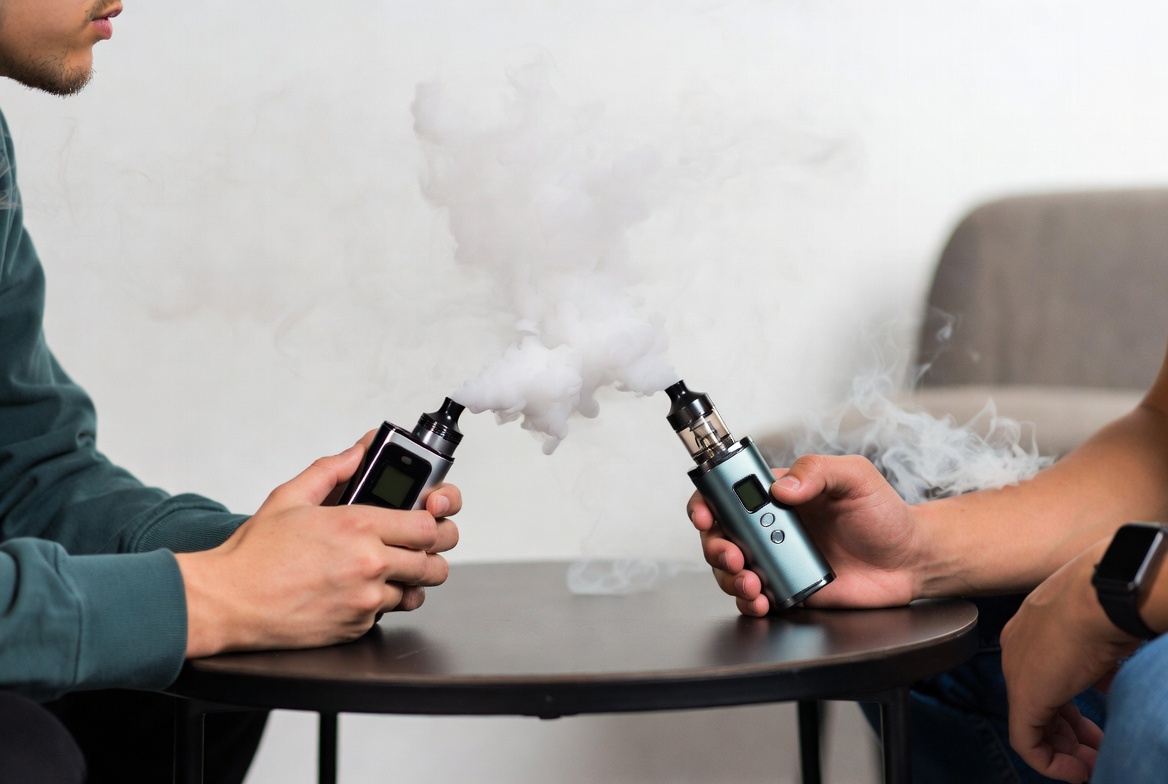
Budget vaporizers can produce a great session, but they're often hit‑or‑miss, depending heavily on grind, pack, and draw technique. Premium units recover heat faster between hits, handle long pulls without dropping temperature, and are less finicky overall, so you get similar results day after day with minimal adjustment. If you vape multiple times per day, that reliability quickly becomes more valuable than a lower upfront price. [youtube]
Higher price brackets usually bring medical‑grade or high‑temperature materials in the oven, vapor path, and housing. You see more stainless steel, glass, ceramic, and high‑temp polymers like PEEK or similar, and fewer mystery plastics near the heat source. Over time, these choices improve flavor, reduce off‑gassing risks, and help the device survive drops, temperature cycles, and daily wear. [leafly]
To understand whether expensive vaporizers are worth it for you, it helps to look at what changes as you move up the price ladder. [youtube]
Budget vaporizers get the job done: they will vaporize your herbs and create usable clouds. Most rely on conduction heating, which places material directly against a hot oven surface; this can lead to uneven extraction and more frequent stirring. Heat‑up times often sit around 45–60 seconds, battery life is typically 3–5 sessions per charge, and component quality is functional but basic. [youtube]
In the mid‑range, you start seeing hybrid heaters, improved batteries, and better materials, resulting in noticeably stronger performance and smoother flavor. Battery life often moves into the 8–10 session range per charge, and temperature stability under load improves enough that heavy draws feel more controlled. For many regular users, this tier offers excellent value without fully stepping into the luxury segment. [youtube]
Premium units bring precision engineering, full convection options, longer battery life, and tighter temperature accuracy. Some models are tuned to within a couple of degrees of your set temperature, even under demanding use, and battery systems are optimized for 12–15 sessions per charge in portable formats. Combined with medical‑grade materials and multi‑year warranties, these devices are designed to deliver consistently excellent sessions for many years, not just months. [leafly]
Different premium vaporizers specialize in different aspects of the experience—flavor, airflow, or sheer power. Understanding what each one is built to do helps you decide whether the price aligns with your own priorities. [youtube]
The Tafee Bowle Series 2 is purpose‑built for maximum flavor, driven by a full convection heater that sends hot air through the material rather than relying on direct oven contact. This design preserves delicate terpenes that conduction vapes often sacrifice, making it a go‑to choice when tasting your herb matters more than chasing the thickest possible cloud. It combines that flavor with extremely fast heat‑up—hits become available within seconds—and a battery rated for roughly 12–15 sessions per charge, which is high for a convection‑heavy portable. [youtube]
The Venty builds on a proven platform and pushes airflow to around 20 liters per minute at maximum, making it one of the least restrictive portables available. Fully adjustable airflow lets you dial from easy, casual sips to wide‑open lung hits, which is ideal if you share with friends who each prefer different draw styles. Backed by hybrid heating, a 0.3 g oven, and approximately 12 sessions per battery charge, it caters particularly well to heavy users who dislike tight draw resistance. [youtube]
The Mighty+ has built its reputation on being remarkably forgiving and consistent, handling both mellow and intense sessions without demanding advanced technique. With a large oven, dual 18650 batteries offering around 11 sessions per charge, and a flexible temperature range, it appeals to users who want a "set it, forget it, and enjoy" workflow. Many vapers report using it as their primary device for years, which helps justify the higher initial cost as long‑term value rather than a short‑term indulgence. [youtube]
Tinymight 2 exemplifies how spending more can yield true on‑demand performance, delivering heavy convection clouds within roughly 10 seconds. It lets you switch between instant single hits and longer session modes, so you can take a quick draw on a hike or settle into a full oven at home without wasting material in between. With adjustable oven capacity, fast heat‑up, and a swappable battery system, it's aimed squarely at experienced users who value flexibility and speed over beginner simplicity. [youtube]
Devices like the Limelight Frolic focus on ball‑vape‑like output in a portable form, using fast convection, a large oven, and big batteries to prioritize cloud density over pocketability. In contrast, the PAX Flow emphasizes sleek design, curated heat modes, and USB‑C convenience, delivering solid vapor but with some compromises around battery life and heat buildup over longer sessions. At similar price points, the choice comes down to whether you prioritize sheer performance or discreet, polished aesthetics. [youtube]
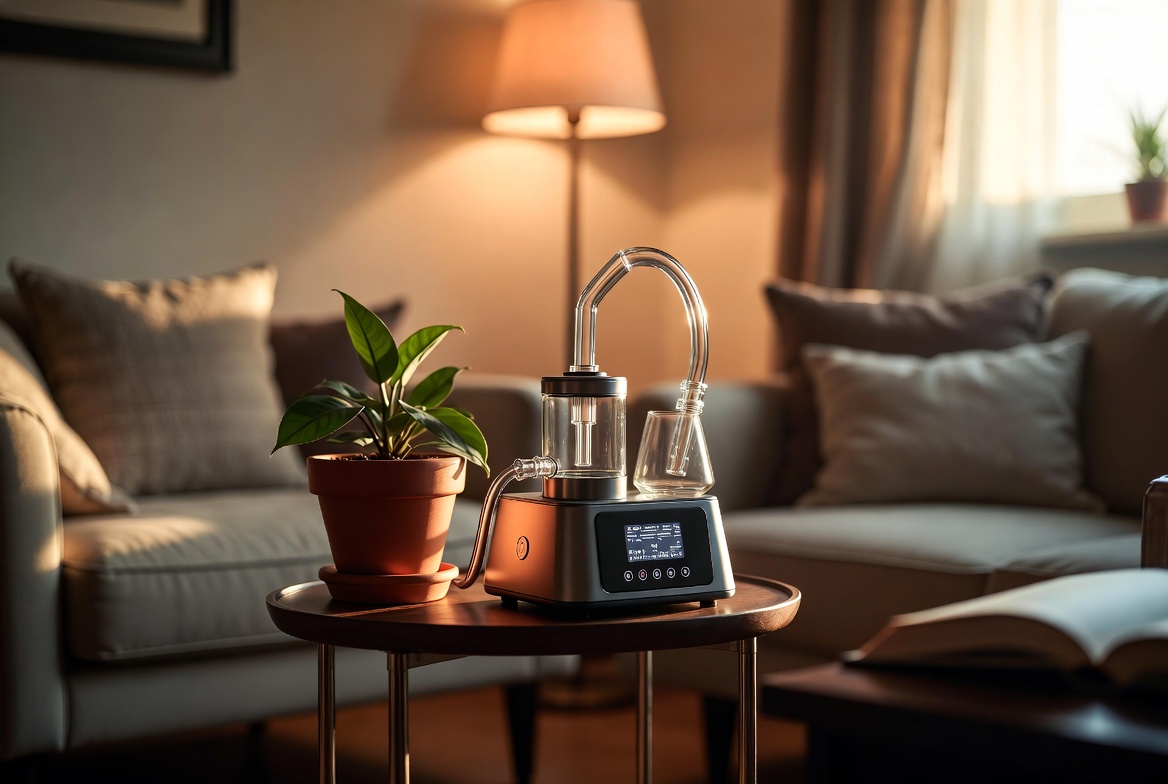
For home use, desktop units step beyond portable limitations and provide stable, all‑day performance that can justify even the highest price brackets. [youtube]
The Volcano Hybrid is known for its long lifespan, safety certifications, and large oven, offering bag and whip modes to suit both group and solo sessions. Its hybrid heater delivers dense, consistent vapor, and the bag system removes much of the technique from sharing—fill, pass, and everyone gets similar hits. With rugged construction, medical‑grade components, and a multi‑year warranty, many users treat the Volcano as a decade‑long investment rather than a disposable gadget. [leafly]
Ball vapes like the MiniNail Flower Wand use convection through ruby or similar beads to produce intensely dense clouds through glass setups, staying hot and ready for microdoses or larger bowls throughout a session. While they're less discreet and require accessories like bubblers, the payoff is hard‑hitting, flavor‑rich vapor with minimal learning curve. The VB1.5 brings that ball‑vape power into a more enclosed, whip‑style format, focusing on safety and simplicity with internalized hot elements and a straightforward dial. [reddit]
Below is a high‑level overview of how key factors differ across price tiers. [leafly]
| Factor | Budget (~$50–$100) (youtube) | Mid‑Range (~$150–$250) (youtube) | Premium (~$300–$700) (youtube) |
|---|---|---|---|
| Heating type | Mostly conduction | Hybrid becomes common | Hybrid / full convection |
| Heat‑up time | 45–60 seconds | 25–40 seconds | Seconds to ~20 seconds |
| Battery per charge | About 3–5 sessions | About 8–10 sessions | About 12–15+ sessions |
| Temperature precision | Rough, wider swings | Improved stability | Fine control (often ±1–2°F) |
| Materials near heat | Basic plastics, metals | Improved mixes, some glass | Medical‑grade, high‑temp materials |
| Warranty & support | Limited | 1–2 years typical | Multi‑year, stronger support |
| User technique required | Higher | Moderate | Lower for consistent results |
Not everyone needs a premium device. The key is aligning how you vape with what these units do best. [youtube]
An expensive vaporizer tends to be worth it if: [reddit]
- You vape daily and notice subtle differences in flavor and smoothness.
- Battery life and fast heat‑up matter because you use the device frequently.
- You want a device designed to last 3–5+ years with normal care.
- You value smooth vapor, precise temperatures, and premium materials over minimal cost.
- You'd rather buy one solid device than replace cheaper options every year or two.
On the other hand, a high‑end vaporizer may not be worth it if: [youtube]
- You're just getting started and aren't sure vaping will become a habit.
- You only vape occasionally, such as once or twice a week.
- Budget is tight and you'd prefer mid‑range value over top‑tier features.
- You want the simplest possible device with minimal settings and learning curve.
To decide whether a premium device is right for you, it helps to break the decision into a few practical steps drawn from long‑term testing and user feedback. [reddit]
1. Define your usage pattern.
Are you vaping once per week, once per day, or multiple times per day? Heavy users see the biggest advantage from better batteries, faster heaters, and more durable construction. [youtube]
2. Rank your priorities.
Put flavor, cloud density, battery life, portability, and simplicity in order for yourself. A flavor‑first user will choose differently than a cloud‑chaser who mainly vapes at home. [youtube]
3. Choose your price tier.
Based on usage and priorities, decide whether budget, mid‑range, or premium makes sense. If you value consistency and long‑term reliability above all, premium becomes more attractive. [youtube]
4. Match device strengths to your priorities.
For example, pick a Tafee Bowle style design if you care most about terpene preservation, or a Venty‑type device if unrestricted airflow and group sharing dominate your sessions. [youtube]
5. Consider long‑term cost of ownership.
Factor in potential savings from using less material due to better extraction and fewer replacements over time. Many users find that a durable premium device reduces total spending over several years. [reddit]
Looking across dozens of models and real‑world usage, the most honest answer is: yes, but not for everyone, and not for every scenario. If you're someone who vapes daily, pays attention to flavor nuances, and values strong warranties and safety‑tested materials, then a premium vaporizer offers tangible benefits that justify the price over time. If you're a casual user or still experimenting, a good budget or mid‑range device may fit your needs better and keep more cash in your pocket. [leafly]
For everyday vapers in markets like Australia, where access to reliable devices and good support can be crucial, the smartest approach is to treat a high‑end vaporizer as a long‑term tool, not an impulse purchase—choose carefully based on how you actually vape, and it can become a daily companion rather than an expensive mistake. [youtube]
Q1: Do expensive vaporizers always produce better flavor than cheap ones?
A1: Premium devices generally offer cleaner airpaths and more advanced heating systems, which support better flavor, but results still depend on your material quality and how you use the device. [leafly]
Q2: Are high‑end vaporizers more complicated for beginners?
A2: Some on‑demand or highly configurable models come with a learning curve, yet many premium devices are intentionally designed to be straightforward, so beginners can benefit from their consistency without mastering advanced techniques. [youtube]
Q3: How long can I realistically expect a premium vaporizer to last?
A3: With normal cleaning and careful handling, many premium units are built to run reliably for several years, and some desktop models are known to remain in service for a decade or more. [leafly]
Q4: Will a more expensive vaporizer help me use less material?
A4: Improved extraction and consistency often mean you reach your desired effect with less waste, which can reduce overall herb consumption over time, especially for regular vapers. [reddit]
Q5: If I mainly vape at home, should I prioritize a desktop device over a premium portable?
A5: Home‑focused users often benefit from desktop stability, larger ovens, and all‑day readiness, but if you regularly move around the house or travel, a premium portable can still be the more versatile choice. [youtube]
1. Planet of the Vapes – *Are Expensive Dry Herb Vaporizers Worth It?*
[https://www.planetofthevapes.com/blogs/blog/are-expensive-vaporizers-worth-it]
2. Leafly – *Are High‑End Vapes Worth the Expensive Price Tag?*
[https://www.leafly.com/news/strains-products/are-high-end-vapes-worth-the-money]
3. Reddit /r/vaporents – *Expensive vapes* (user experiences and long‑term feedback)
[https://www.reddit.com/r/vaporents/comments/1cumkdh/expensive_vapes/]
4. Got Vape – *Are Expensive Vaporizers Worth It (Buyer's Guide)*
[https://www.gotvape.com/blogs/help/are-expensive-vaporizers-worth-it-2026-buyer-s-guide]
5. Ziip Stick – *Are Expensive Vapes Worth It?*
This website contains products intended for adults only.
Are you 18 years of age or older?
WARNING: This product contains nicotine. Nicotine is an addictive chemical.


